Heat Pipe Equipment Production Line: Complete Guide
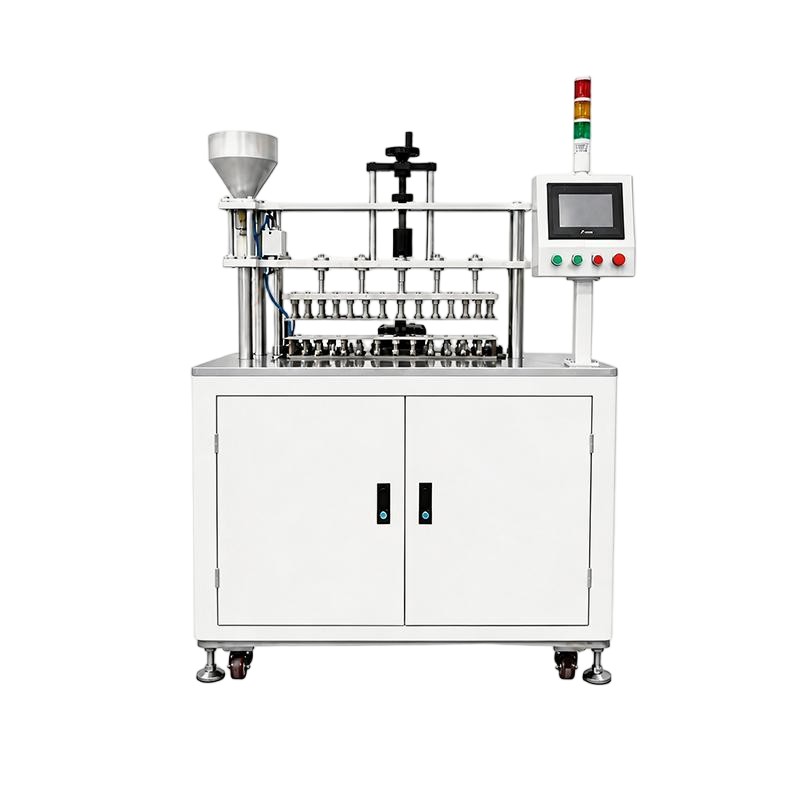
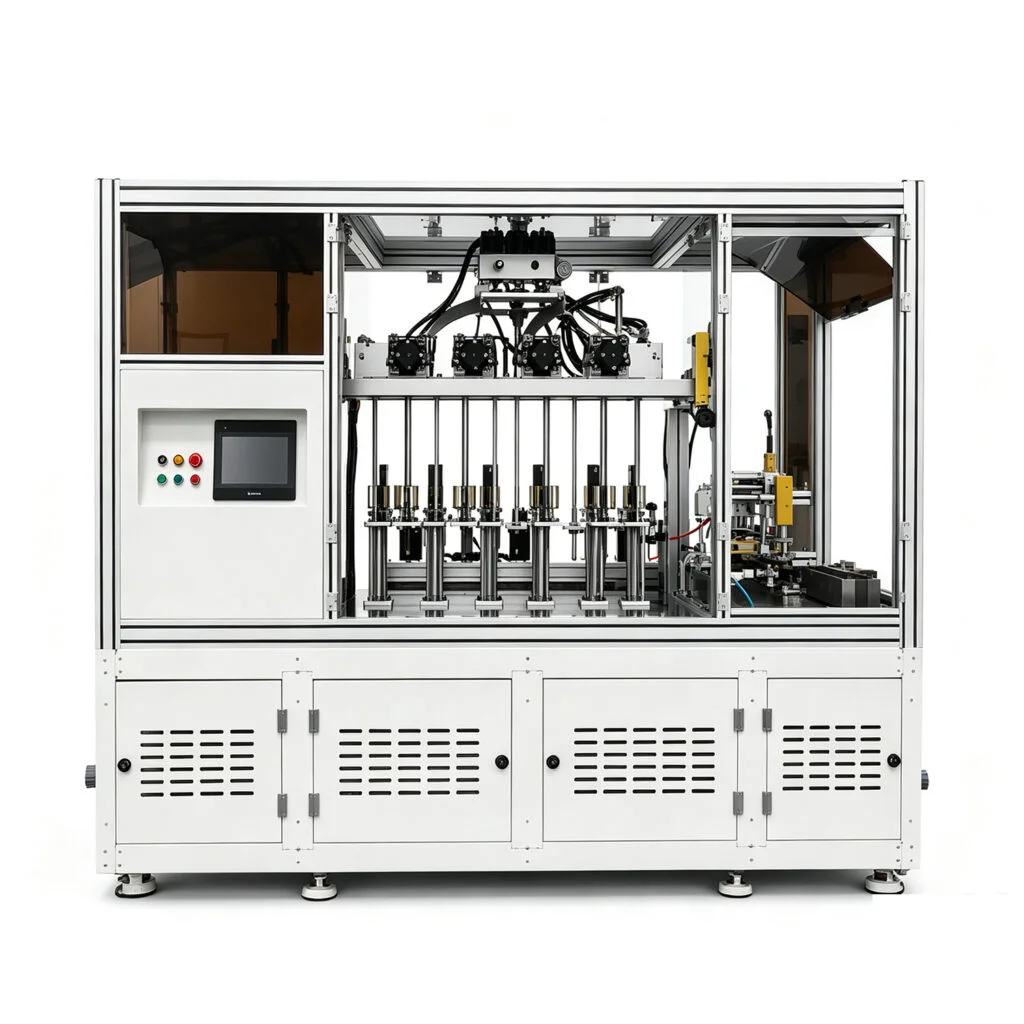
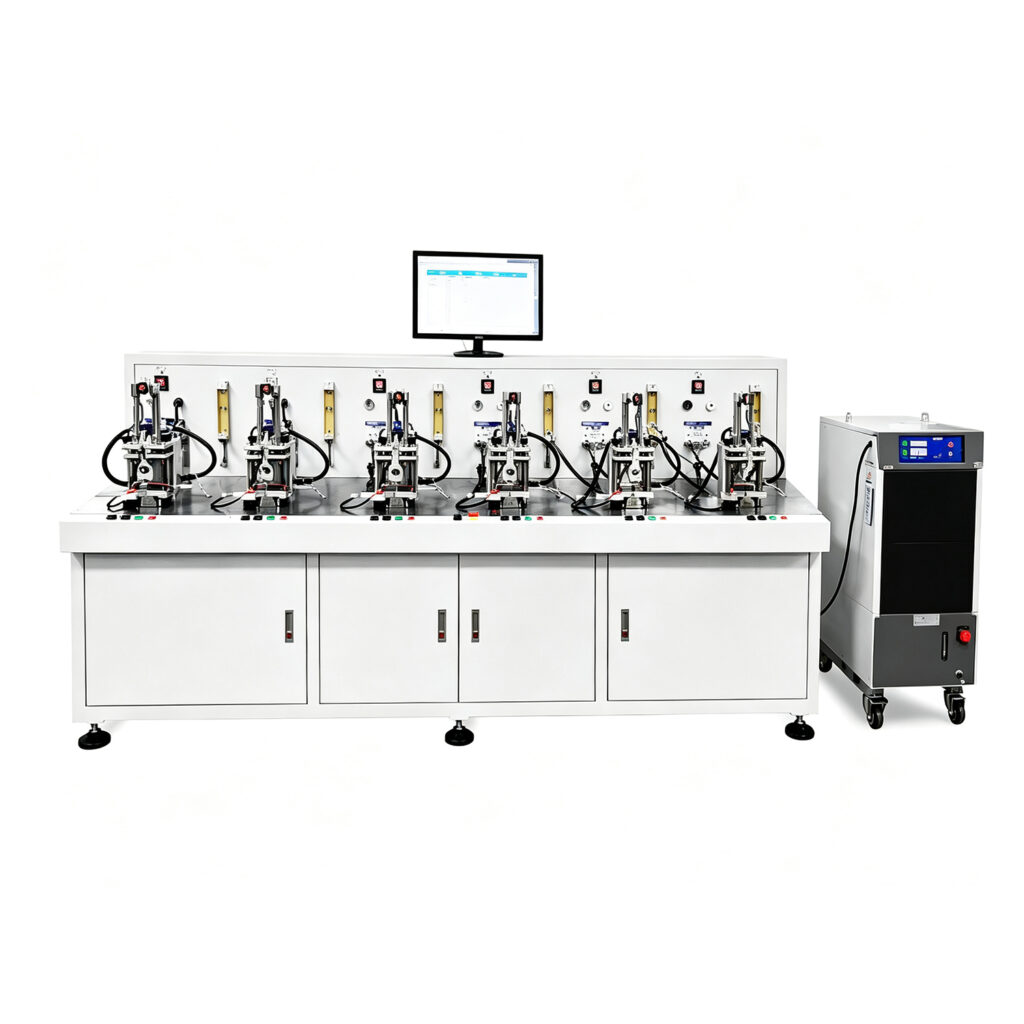
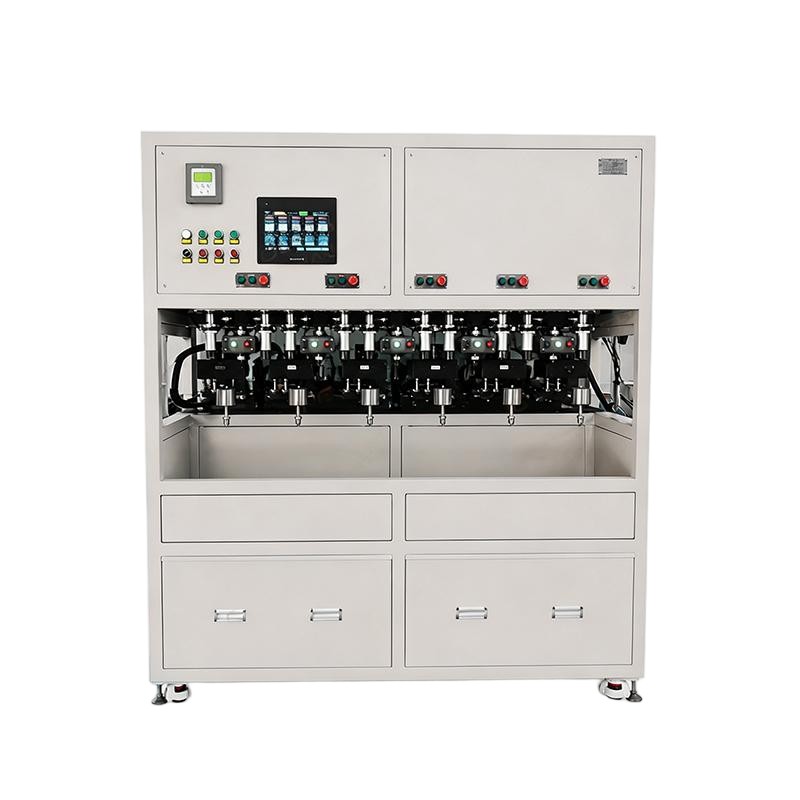
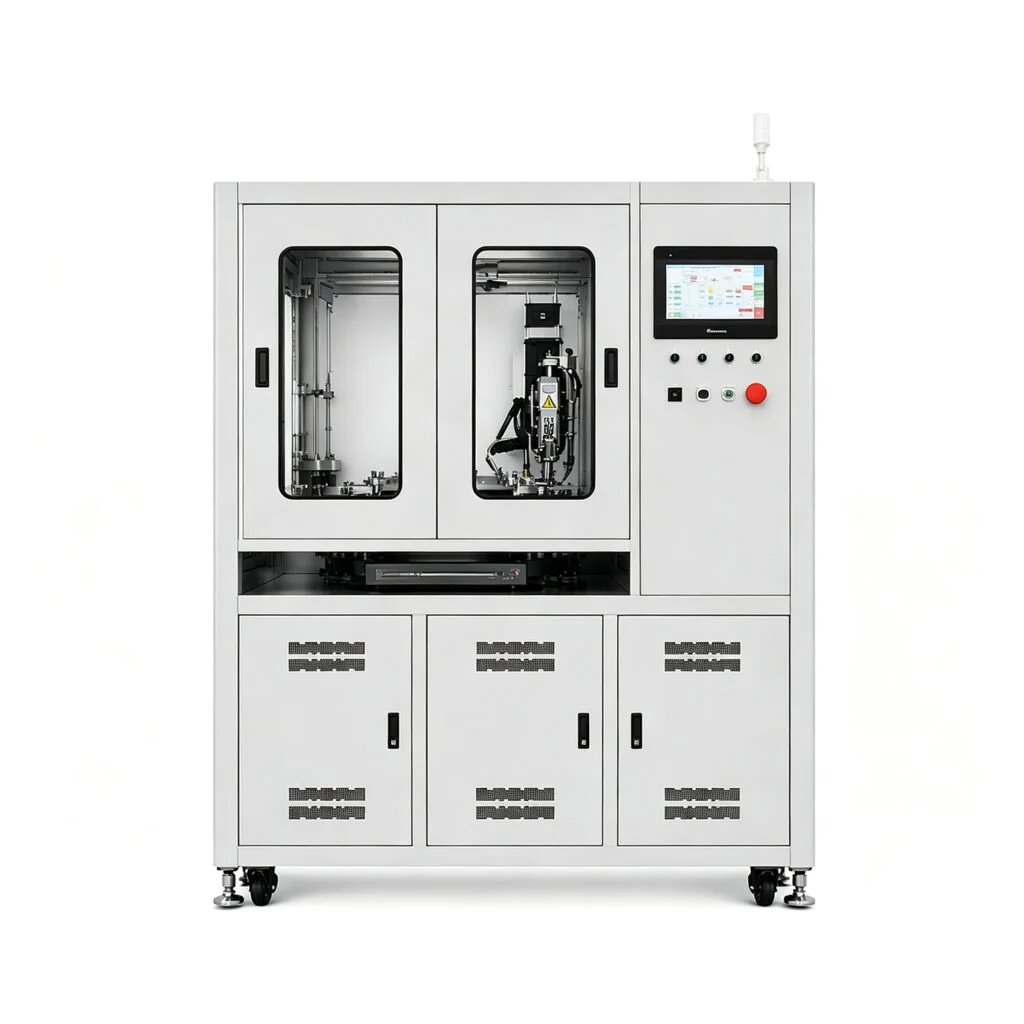
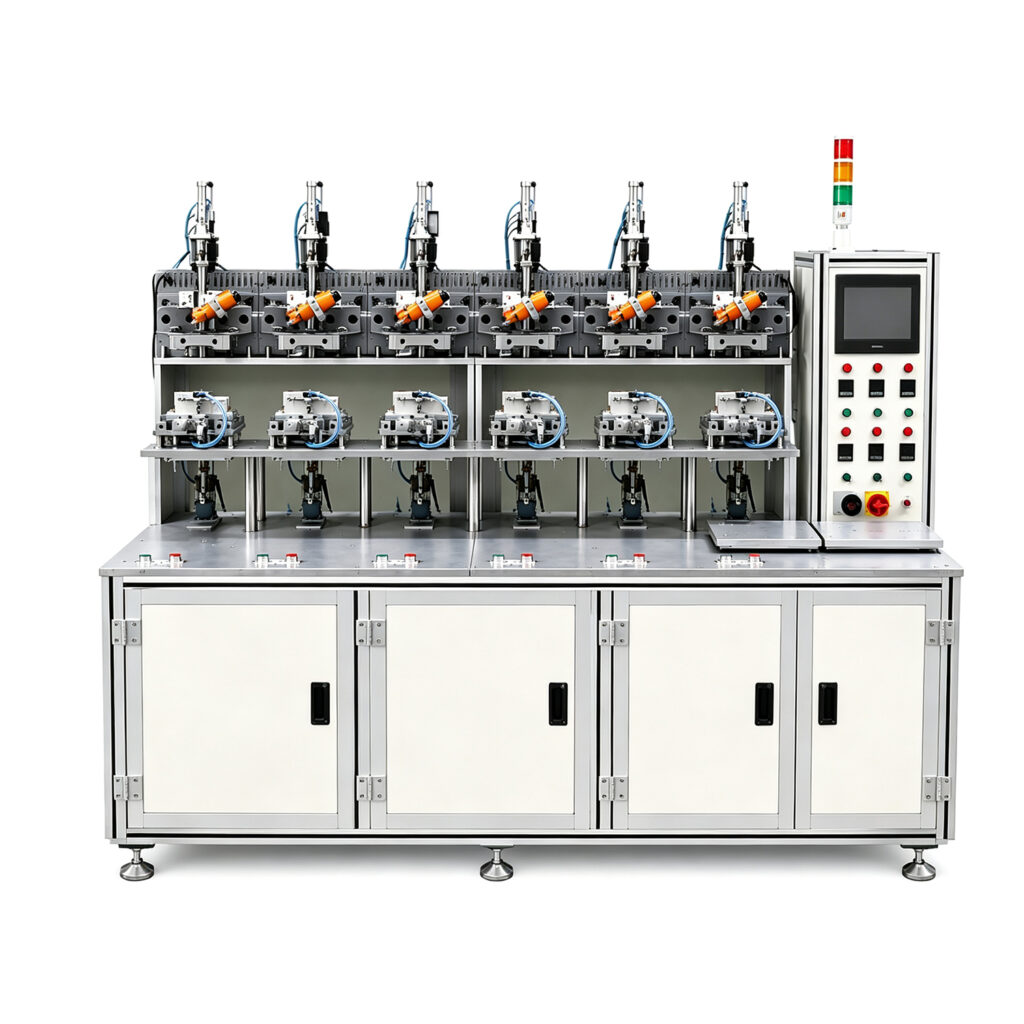
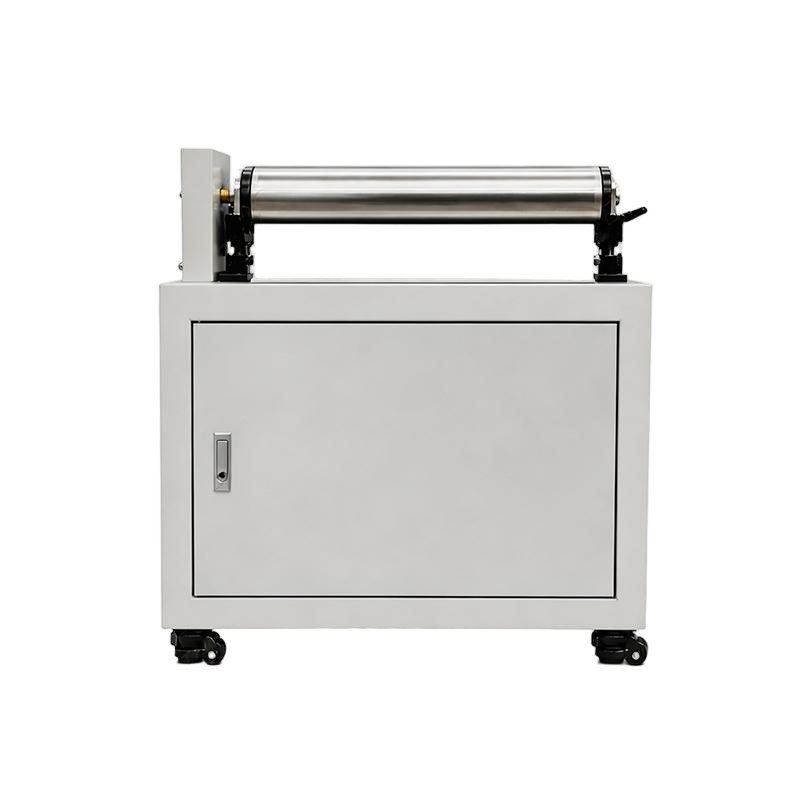
Heat Pipe Equipment Production Line: Complete Guide 1. What Is a Heat Pipe Equipment Production Line? A Heat Pipe Equipment Production Line combines specialized machines for manufacturing heat pipes. These machines support tube preparation, powder filling, cleaning, evacuation, sealing, and testing. Heat pipes transfer heat through evaporation and condensation. Their performance depends on internal structures, working fluids, and manufacturing quality. Manufacturers therefore need equipment that supports each production stage. Individual machines must also work together reliably. A complete equipment configuration can include: Heat pipe tube cutting equipment Heat pipe necking machines Powder filling machines Vacuum sintering furnaces Degassing equipment Heat pipe filling and welding machines Multi-station dry-out testers Thermal performance testing equipment The required configuration depends on product dimensions and wick structures. Working fluids and production targets also influence equipment selection. For manufacturers, the goal is not simply purchasing individual machines. The goal is creating a coordinated manufacturing system. 2. How Does a Heat Pipe Equipment Production Line Work? A typical heat pipe manufacturing process includes several connected stages. Each stage requires suitable equipment and process controls. The exact sequence depends on the heat pipe design. Some manufacturers also use different preparation methods. 2.1 Tube Preparation Manufacturing starts with metal tubes of specified dimensions. Operators prepare the tubes according to product drawings. Cutting equipment controls tube length and edge quality. Additional preparation may include deburring and cleaning. Consistent tube dimensions help reduce problems during later processing. 2.2 Wick Structure Preparation The wick structure supports liquid return inside a heat pipe. Common structures include sintered powder, grooves, and mesh. Sintered powder structures require controlled powder preparation and sintering. Grooved structures require suitable tube processing methods. The wick design determines the required equipment configuration. It also influences thermal performance and manufacturing complexity. 2.3 Powder Filling and Sintering For sintered heat pipes, manufacturers introduce metal powder into prepared tubes. A powder filling machine helps control material loading. The tubes then enter a vacuum sintering furnace. Controlled heating forms the porous wick structure. Sintering parameters depend on powder materials and product design. Manufacturers should establish suitable processes through technical validation. 2.4 Evacuation and Working Fluid Filling The internal environment affects heat pipe operation. Manufacturers must remove unwanted gases before final sealing. Degassing equipment supports vacuum treatment. Filling equipment introduces the specified working fluid. The required vacuum level and fluid quantity depend on product specifications. Process consistency helps reduce variation between units. 2.5 Sealing and Welding After filling, manufacturers seal the heat pipe. Welding equipment creates a closed structure. The sealing process must protect the internal environment. Suitable welding parameters also help reduce leakage risks. 2.6 Dry-Out and Performance Testing Manufacturers may use dry-out equipment to prepare heat pipes. Testing equipment then evaluates product performance. Inspection methods depend on the product and application. Manufacturers should define acceptance criteria before mass production. 3. Essential Machines in a Heat Pipe Equipment Production Line Different machines perform specific functions. Their combination determines the production line’s capabilities. 3.1 Heat Pipe Tube Cutting Machine A tube cutting machine prepares tubes to the required length. Accurate cutting supports consistent downstream processing. Important selection factors include: Compatible tube materials Tube diameter range Cutting length range Cutting accuracy Loading and unloading methods Production cycle requirements Manufacturers should confirm these parameters against actual product drawings. 3.2 Heat Pipe Necking Machine A Heat Pipe Necking Machine reduces the tube diameter at selected positions. This process prepares the tube for later filling and sealing operations. The machine should match the tube material and dimensions. Manufacturers should also evaluate forming consistency and tooling requirements. Internal link opportunity: Heat Pipe Necking Machine 3.3 Heat Pipe Powder Filling Machine A Heat Pipe Powder Filling Machine introduces metal powder into heat pipe tubes. It supports the preparation of sintered wick structures. Powder distribution affects the resulting wick structure. Manufacturers should evaluate filling accuracy and material compatibility. Important considerations include: Powder material compatibility Filling quantity control Tube positioning Powder feeding stability Cleaning and maintenance Compatibility with tube dimensions Internal link opportunity: Heat Pipe Powder Filling Machine 3.4 Vacuum Sintering Furnace A Vacuum Sintering Furnace supports the formation of porous metal structures. It heats prepared components under controlled conditions. Vacuum conditions help manage the processing environment. Temperature control supports repeatable sintering results. Selection should consider furnace capacity and temperature uniformity. Manufacturers should also review vacuum performance and loading methods. Internal link opportunity: Vacuum Sintering Furnace 3.5 Heat Pipe Degassing Machine A Heat Pipe Degassing Machine removes unwanted gases from prepared heat pipes. This stage helps establish suitable internal conditions. Degassing requirements vary with product design. Equipment selection should consider tube dimensions and process capacity. Manufacturers should also evaluate vacuum system design and process repeatability. Internal link opportunity: Heat Pipe Degassing Machine 3.6 Heat Pipe Filling and Welding Machine A Heat Pipe Filling & Welding Machine supports working fluid filling and tube sealing. It combines important operations within the manufacturing process. The machine configuration depends on product dimensions and filling requirements. Welding methods should match the tube material and joint design. Key evaluation points include: Filling quantity control Vacuum system compatibility Welding process stability Fixture design Operator safety Production cycle time Internal link opportunity: Heat Pipe Filling & Welding Machine 3.7 Heat Pipe Multi-Station Dry-Out Tester A Heat Pipe Multi-Station Dry-Out Tester supports batch processing. Multiple stations can handle several products during the same production period. This configuration may improve equipment utilization. Actual output depends on station count and process duration. Manufacturers should confirm the test method and operating conditions. They should also check compatibility with their heat pipe designs. Internal link opportunity: Heat Pipe Multi-Station Dry-Out Tester 3.8 Thermal Performance Testing Equipment Thermal performance testing equipment evaluates heat transfer characteristics. It helps manufacturers assess product consistency. Testing conditions should reflect the intended application. Temperature, orientation, heat input, and cooling conditions can affect results. A suitable testing system supports process improvement. It also provides useful production quality data. 4. Key Manufacturing Processes and Equipment Coordination A Heat Pipe Equipment Production Line needs more than individual machines. Equipment coordination determines whether the entire
Heat Pipe Equipment Production Line: Complete Guide Read More »