Heat Pipe Equipment Production Line: Machine Selection Guide
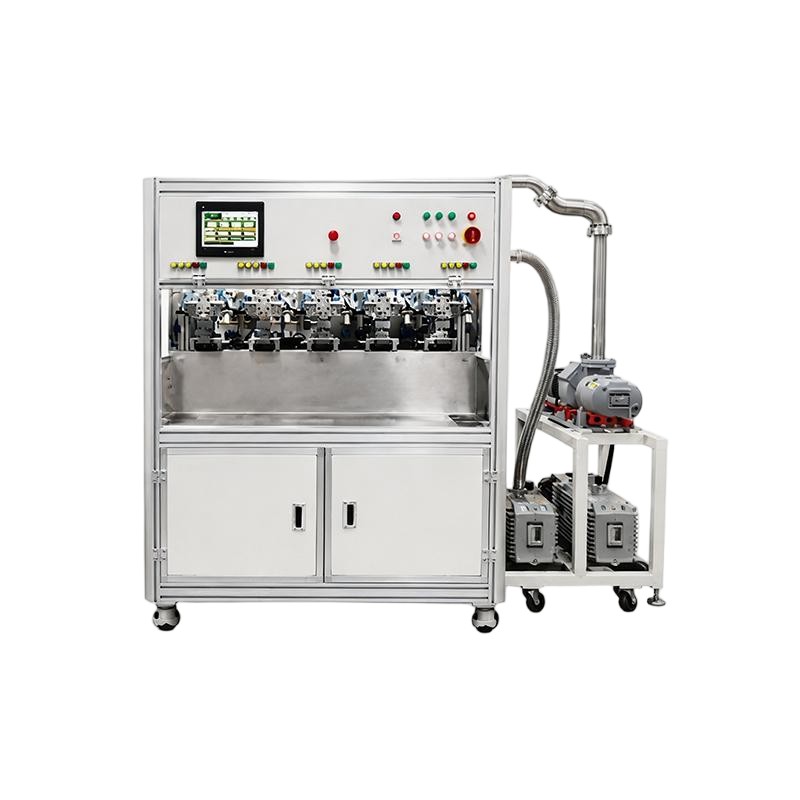
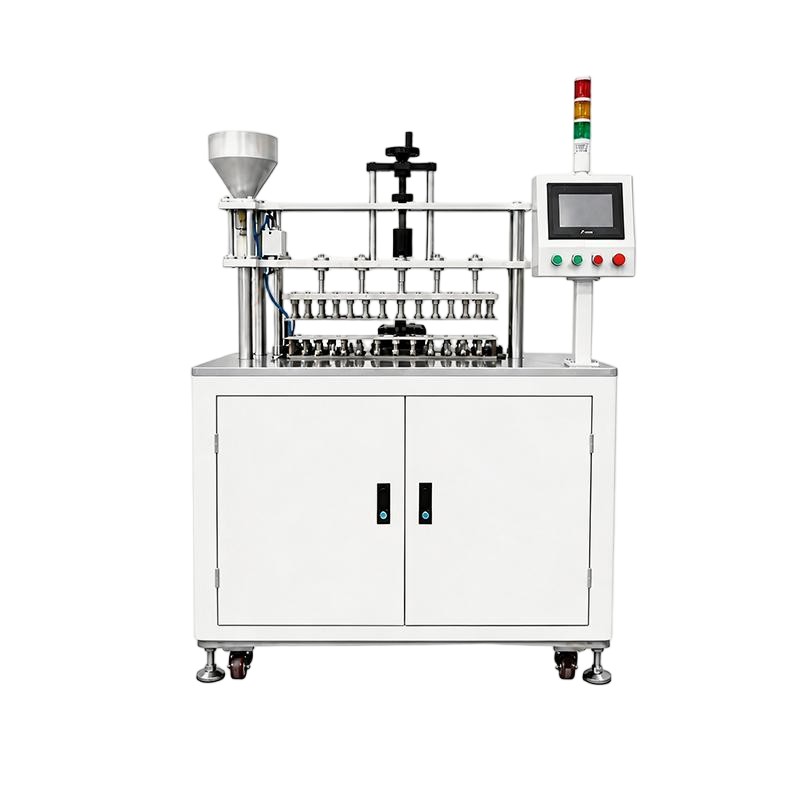
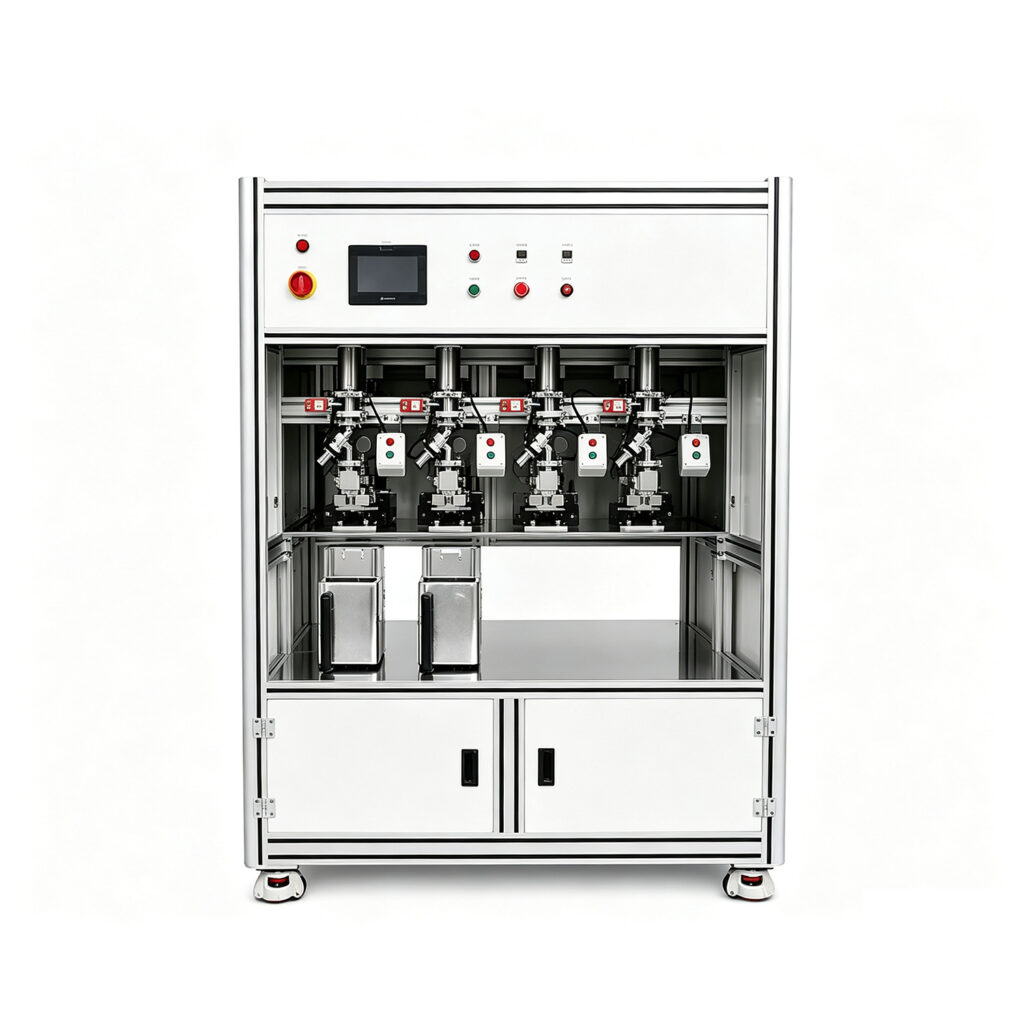
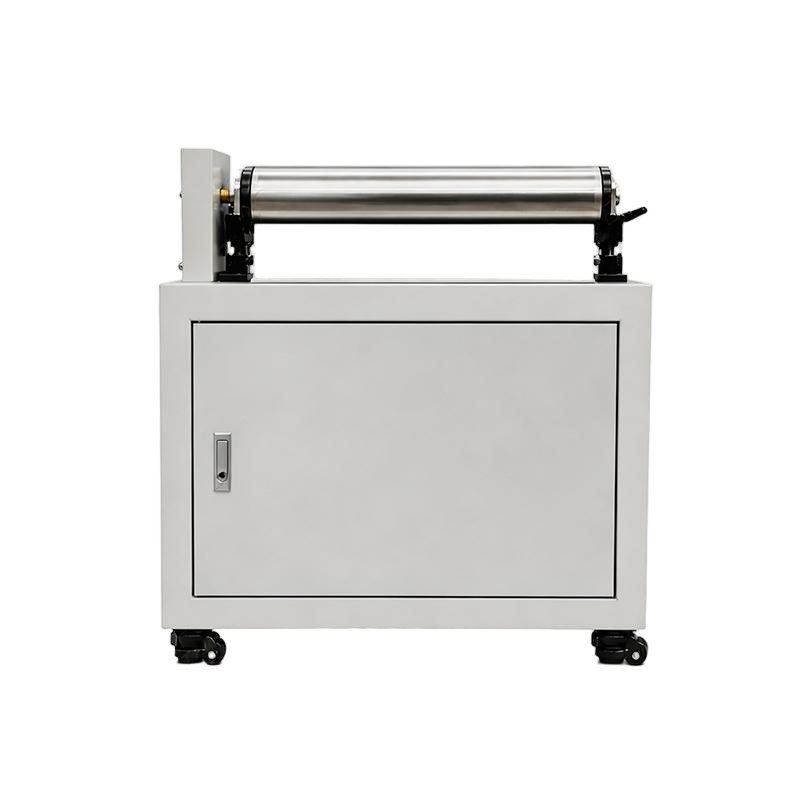
Heat Pipe Equipment Production Line: Machine Selection Guide 1. What Is a Heat Pipe Equipment Production Line? A Heat Pipe Equipment Production Line consists of specialized machines for manufacturing heat pipes. It combines equipment for tube preparation, wick processing, vacuum treatment, fluid filling, sealing, and testing. Unlike a single-purpose machine, an integrated equipment system supports multiple manufacturing stages. Each machine performs a specific function. However, every process must work with the next stage. For example, powder filling equipment prepares the material for wick formation. A vacuum sintering furnace then processes the filled tube under controlled conditions. Afterward, dry-out and evacuation equipment prepares the internal environment. Filling and welding equipment completes the working fluid charging and sealing operations. A suitable equipment configuration helps manufacturers achieve: More consistent manufacturing processes. Better coordination between production stages. Improved equipment utilization. Reduced manual handling. More flexible product manufacturing. Easier production monitoring. Better quality management. Heat pipes serve many thermal management applications. These include electronic devices, telecommunications systems, automotive components, and industrial cooling products. Therefore, manufacturers need equipment that matches their product designs and production requirements. 2. Why Is Equipment Configuration Important? Equipment selection directly affects manufacturing capability. However, purchasing advanced machines does not automatically create an efficient production system. Manufacturers must consider process compatibility, equipment capacity, and product requirements. 2.1 Match Machines with Manufacturing Processes Different manufacturing stages require different equipment functions. For example, powder wick production requires suitable powder filling and sintering equipment. Screen mesh structures follow a different preparation process. Therefore, manufacturers should identify their wick structures before selecting machines. 2.2 Improve Equipment Utilization An unsuitable configuration can create production bottlenecks. For instance, a high-capacity sintering furnace may remain underutilized when powder filling cannot supply enough prepared tubes. Conversely, slow downstream equipment may interrupt upstream production. A balanced equipment configuration helps reduce these problems. 2.3 Support Product Customization Heat pipe manufacturers often produce different tube dimensions and product structures. Some machines require interchangeable tooling or adjustable operating parameters. Therefore, equipment flexibility matters when manufacturers serve multiple customers. 2.4 Reduce Long-Term Operating Costs Equipment investment includes more than the initial purchase price. Manufacturers should also consider energy consumption, maintenance, consumables, labor, and equipment downtime. A suitable configuration can help control these costs throughout the equipment lifecycle. 3. Essential Machines for Heat Pipe Manufacturing A complete equipment system depends on the selected manufacturing process. The following machines commonly support conventional copper heat pipe manufacturing. 3.1 Heat Pipe Tube Cutting and Preparation Equipment Tube preparation establishes the basic dimensions of each heat pipe. Cutting equipment processes copper tubes according to product specifications. Some manufacturing projects also require tube forming, bending, or end preparation. Accurate preparation helps maintain dimensional consistency throughout subsequent operations. When selecting preparation equipment, consider: Tube material and dimensions. Required cutting accuracy. Production volume. Tooling requirements. Compatibility with downstream machines. 3.2 Heat Pipe Powder Filling Machine A Heat Pipe Powder Filling Machine introduces metal powder into copper tubes. This process supports the production of sintered powder wick structures. Powder distribution can influence the resulting wick structure. Therefore, manufacturers should evaluate filling consistency and operating flexibility. Important selection factors include: Powder material compatibility. Tube diameter range. Filling quantity control. Feeding method. Operating stability. Cleaning and maintenance requirements. A suitable powder filling system helps establish repeatable preparation conditions. 3.3 Vacuum Sintering Furnace A Vacuum Sintering Furnace processes metal powder inside prepared heat pipe tubes. During sintering, metal particles form connections and create a porous structure. The resulting structure supports working fluid circulation inside the heat pipe. Manufacturers should evaluate the following furnace characteristics: Available heating temperature range. Temperature uniformity. Vacuum system configuration. Effective working dimensions. Batch capacity. Process control functions. The required parameters depend on powder materials and wick design. 3.4 Heat Pipe Necking Machine A Heat Pipe Necking Machine reduces or reshapes tube ends. This operation helps prepare tubes for later filling and sealing processes. Different heat pipe designs may require different necking dimensions. Therefore, manufacturers should confirm tooling compatibility before purchasing the machine. 3.5 Heat Pipe Dry-Out Equipment Dry-out equipment helps remove moisture from prepared heat pipe tubes. This process is important because unwanted moisture can affect internal manufacturing conditions. A suitable dry-out system should match the tube dimensions and production requirements. Manufacturers may also require multi-station equipment to process several tubes during one operating cycle. Related internal link: Heat Pipe Multi-Station Dry-Out Tester. 3.6 Heat Pipe Degassing Machine Degassing equipment supports the removal of unwanted gases from the internal structure. This process helps prepare the heat pipe before working fluid filling. Manufacturers should evaluate vacuum performance, heating functions, station configuration, and process control. The equipment must also match the required production workflow. Related internal link: Heat Pipe Degassing Machine. 3.7 Heat Pipe Filling and Welding Machine A Heat Pipe Filling & Welding Machine performs working fluid charging and tube sealing operations. Working fluid quantity must match the product design. The sealing process must also provide suitable joint integrity. Important selection factors include: Filling method. Filling quantity control. Tube compatibility. Welding method. Operating sequence. Process repeatability. Manufacturers should confirm the equipment’s capabilities through product-specific testing. 3.8 Heat Pipe Testing Equipment Testing equipment helps evaluate finished product quality. Different inspection systems serve different purposes. For example, leak testing checks sealing integrity. Thermal performance testing evaluates heat transfer behavior. Manufacturers should select testing methods according to product specifications and customer requirements. Related internal link: Heat Pipe Thermal Performance Tester. 4. Matching Equipment with Different Wick Structures Wick design strongly influences equipment selection. Therefore, manufacturers should determine the intended wick structure before configuring the production system. 4.1 Sintered Powder Wick Sintered powder wick structures use metal powder to create porous internal structures. Their manufacturing process commonly requires: Tube preparation. Powder filling. Powder distribution control. Vacuum sintering. Subsequent dry-out and internal processing. Working fluid filling. Sealing and inspection. Suitable powder filling and sintering equipment are essential. Manufacturers should also evaluate powder characteristics and process consistency. 4.2 Screen Mesh Wick Screen mesh wicks use metallic mesh materials inside the heat pipe. Their production process requires suitable mesh preparation and installation. Equipment requirements may
Heat Pipe Equipment Production Line: Machine Selection Guide Read More »