
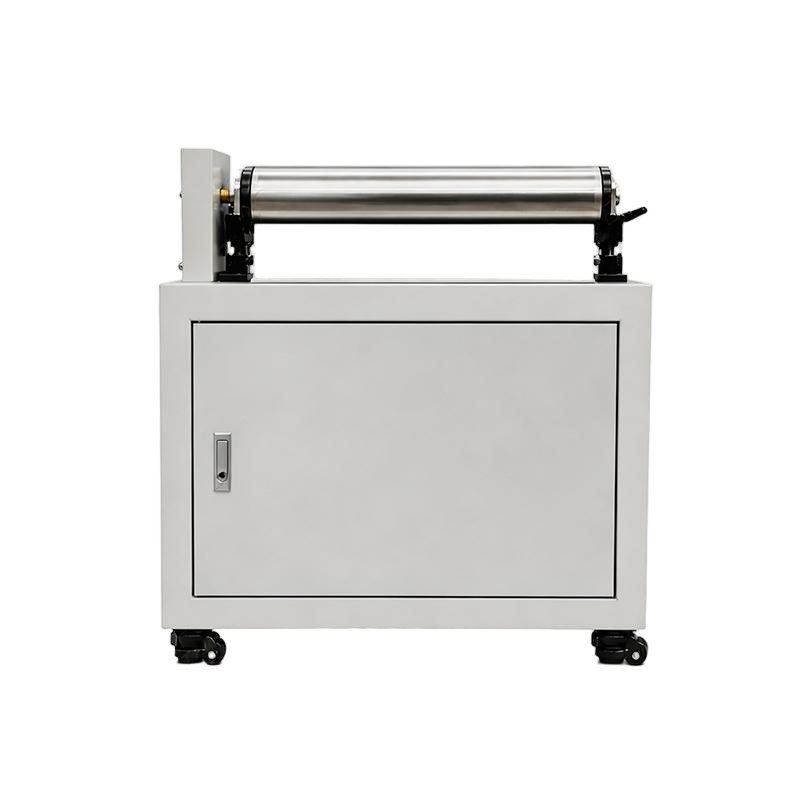
Heat Pipe Production Line: Manufacturing Solutions Guide
1. Introduction to Heat Pipe Production Lines
A Heat Pipe Production Line provides an integrated solution for manufacturing high-performance heat transfer components. It connects multiple production processes through specialized equipment.
Heat pipes transfer heat through evaporation and condensation. Their internal working fluid circulates between heating and cooling sections.
This process provides efficient thermal transfer in compact spaces. Therefore, heat pipes serve many modern thermal management applications.
Common applications include:
- CPU and GPU cooling systems
- Server and data center cooling
- LED lighting heat dissipation
- Telecommunications equipment
- Automotive electronics
- Industrial thermal management
- Power electronics cooling
- Consumer electronic devices
However, manufacturing reliable heat pipes requires precise process coordination.
Each production stage influences the final product. For example, wick formation affects capillary performance. Meanwhile, degassing and fluid filling influence internal operating conditions.
A professional Heat Pipe Production Line connects these processes into a repeatable manufacturing workflow.
The system may include tube cutting, powder filling, sintering, degassing, fluid filling, welding, and performance testing.
Not every factory requires identical equipment. Instead, manufacturers should select machines according to product specifications and production targets.
2. Heat Pipe Production Line Manufacturing Workflow
The manufacturing workflow depends on the heat pipe structure. Nevertheless, many conventional sintered-wick products follow similar production stages.
2.1 Raw Material Preparation
First, manufacturers prepare suitable metal tubes and supporting materials.
Copper is common in conventional heat pipe manufacturing. Other materials may support specialized designs.
Before production, manufacturers should inspect:
- Tube diameter
- Tube length
- Wall thickness
- Material consistency
- Surface condition
- Dimensional tolerances
Consistent materials help reduce downstream processing problems.
2.2 Tube Cutting
The cutting process prepares tubes according to product dimensions.
An automatic cutting machine can improve dimensional consistency. It also reduces repetitive manual operations.
After cutting, manufacturers should remove burrs and inspect the tube ends.
2.3 Internal Cleaning
Next, manufacturers remove oil, dust, and other contaminants.
Clean internal surfaces support subsequent wick formation and fluid processing.
The cleaning method depends on material characteristics and manufacturing requirements.
2.4 Wick Structure Manufacturing
The wick structure transports working fluid through capillary action.
Common structures include sintered powder, grooves, screen mesh, and composite designs.
Each structure requires different manufacturing methods.
For example, sintered powder wicks require powder filling and controlled heating.
Grooved structures may require specialized machining or forming equipment.
2.5 Sintering Process
For sintered-wick heat pipes, manufacturers use a vacuum sintering furnace.
Controlled heating bonds powder particles together. This creates the porous structure required for fluid circulation.
Temperature, atmosphere, and processing time influence the final structure.
Therefore, manufacturers should establish suitable process parameters.
2.6 Degassing Process
After internal processing, manufacturers remove unwanted gases and moisture.
A vacuum degassing system prepares the heat pipe for working fluid filling.
The required process depends on product design and manufacturing conditions.
2.7 Working Fluid Filling
Manufacturers introduce the specified working fluid into the heat pipe.
Water is common in many copper-water applications. Other fluids serve different temperature requirements.
The filling quantity must match the product design.
Accurate dosing helps maintain consistent internal operating conditions.
2.8 Sealing and Welding
After filling, manufacturers seal the heat pipe.
Depending on the design, suitable welding equipment performs this operation.
The sealing process must provide reliable closure. Otherwise, leakage may affect product performance.
2.9 Final Inspection
Finally, manufacturers inspect the finished products.
Typical checks include dimensions, appearance, leakage, and thermal performance.
The inspection plan should follow customer specifications and product requirements.
3. Main Equipment for Heat Pipe Production
A complete Heat Pipe Production Line combines different machines according to the manufacturing process.
The following equipment categories cover common production requirements.
3.1 Automatic Heat Pipe Cutting Machine
The cutting machine prepares tubes for subsequent manufacturing operations.
Automatic feeding and cutting can reduce manual handling.
When selecting a cutting machine, manufacturers should evaluate:
- Supported materials
- Tube diameter range
- Cutting length range
- Cutting accuracy
- Feeding configuration
- Cycle time
The equipment should match actual product dimensions.
3.2 Heat Pipe Powder Filling Machine
The powder filling machine introduces metal powder into the tube.
It supports the formation of sintered wick structures.
Consistent filling helps improve process repeatability.
Manufacturers should evaluate powder compatibility, filling accuracy, tooling, and operating efficiency.
3.3 Vacuum Sintering Furnace
The vacuum sintering furnace creates the porous wick structure.
It uses controlled heating under suitable atmospheric conditions.
Important evaluation factors include temperature uniformity, vacuum performance, furnace capacity, and process control.
A suitable furnace supports stable wick manufacturing.
3.4 Heat Pipe Degassing Machine
The degassing machine removes unwanted gases and moisture.
Manufacturers can choose different configurations according to production volume.
For example, multi-station systems may support several products within one processing cycle.
The actual configuration depends on required throughput and process conditions.
3.5 Heat Pipe Filling and Welding Machine
This machine performs working fluid filling and sealing operations.
Depending on its design, it may integrate vacuum treatment, fluid dosing, and welding.
Manufacturers should confirm the supported tube dimensions and filling requirements.
Reliable operation helps maintain consistent product quality.
3.6 Heat Pipe Necking Machine
The necking machine reduces the diameter of selected tube sections.
This process prepares the tube for subsequent sealing operations.
Suitable tooling helps maintain dimensional consistency.
3.7 Heat Pipe Tail Cutting Machine
The tail cutting machine removes excess tube material.
It helps achieve the required product dimensions.
A consistent cutting process also supports a cleaner finished appearance.
3.8 Heat Pipe Multi-Station Dry-Out Tester
A multi-station dry-out tester evaluates heat pipe behavior under specified thermal conditions.
It allows manufacturers to test multiple samples within one cycle.
Testing conditions should match the intended product application.
3.9 Thermal Performance Testing Equipment
Thermal performance testing evaluates heat transfer behavior.
Manufacturers can compare results against product design targets.
Consistent test conditions are essential for reliable comparisons.
4. How to Design an Efficient Production Line
Designing a production line requires more than arranging machines in sequence.
Manufacturers should consider process compatibility, factory layout, output targets, and future expansion.
4.1 Start with Product Specifications
Before selecting machines, define the products you plan to manufacture.
Prepare drawings and technical information.
Important details include:
- Tube material
- Tube dimensions
- Product length
- Wall thickness
- Wick structure
- Working fluid
- Product geometry
- Thermal performance requirements
These details help determine the manufacturing process.
4.2 Calculate Production Capacity
Estimate the expected daily and annual output.
Then evaluate the cycle time of each manufacturing stage.
The slowest process can limit the entire production line.
Therefore, machine capacity should remain balanced.
4.3 Plan the Factory Layout
The factory layout affects material movement and operator efficiency.
Arrange machines according to the manufacturing sequence.
Also consider maintenance access, material storage, and operator safety.
A suitable layout can reduce unnecessary handling.
4.4 Select Suitable Automation
Automation should match the production strategy.
For example, automatic feeding may reduce repetitive manual work.
Integrated transfer systems can also connect separate machines.
However, automation should solve real production problems. It should not simply increase equipment complexity.
4.5 Allow for Future Expansion
Manufacturers may increase production volume over time.
Therefore, consider future equipment additions during the initial planning stage.
A modular design can simplify later expansion.
It may also reduce the disruption caused by production upgrades.
5. Different Heat Pipe Manufacturing Requirements
Different heat pipe products require different manufacturing processes.
Understanding these differences helps manufacturers select suitable equipment.
5.1 Sintered Wick Heat Pipes
Sintered wick heat pipes use porous metal structures.
Manufacturers generally require powder filling and sintering equipment.
The process must control powder distribution and sintering conditions.
This structure supports capillary fluid circulation.
5.2 Grooved Wick Heat Pipes
Grooved heat pipes use internal grooves for liquid return.
Their manufacturing process differs from sintered wick production.
Suitable forming or machining processes create the required internal channels.
Therefore, equipment selection should follow the actual wick design.
5.3 Screen Mesh Wick Heat Pipes
Screen mesh structures use metal mesh as the wick material.
Manufacturers need suitable internal assembly and positioning processes.
The mesh material and arrangement influence the finished structure.
5.4 Flat Heat Pipes
Flat heat pipes have a flattened geometry.
Their production may require additional forming and dimensional control.
Manufacturers should confirm machine compatibility with the required shape.
5.5 Customized Heat Pipes
Some applications require non-standard dimensions or internal structures.
These products may need customized tooling and manufacturing arrangements.
A production line supplier should review drawings and samples before recommending equipment.
6. Automation and Smart Manufacturing
Automation can improve process consistency and production management.
However, manufacturers should select automation based on actual production needs.
6.1 Automatic Material Handling
Automatic feeding systems reduce repetitive manual operations.
They can also improve material transfer between production stages.
This helps create a more organized workflow.
6.2 Integrated Process Control
Connected machines can improve coordination between manufacturing operations.
Centralized monitoring may help operators identify process deviations.
The level of integration depends on the equipment configuration.
6.3 Production Data Collection
Digital records can support process traceability.
Manufacturers may record:
- Production batch numbers
- Machine operating parameters
- Process completion status
- Inspection results
- Maintenance history
These records help investigate quality problems.
They can also support continuous process improvement.
6.4 Automated Inspection
Suitable inspection systems can reduce repetitive manual checks.
However, manufacturers must select inspection methods according to product characteristics.
Some tests still require specialized instruments and controlled conditions.
6.5 Flexible Manufacturing
A flexible production line can support multiple product specifications.
Adjustable tooling and clear changeover procedures are important.
Manufacturers should confirm the supported product range before purchasing equipment.
7. Quality Control Throughout Production
Quality control should cover raw materials, manufacturing processes, and finished products.
A consistent inspection plan helps reduce production risks.
7.1 Raw Material Inspection
Check material quality and tube dimensions before production.
Also verify powder materials against the required specifications.
Consistent incoming materials support stable manufacturing.
7.2 Wick Structure Inspection
The wick structure affects liquid circulation.
Manufacturers should evaluate its consistency and suitability for the product design.
Inspection methods depend on the internal structure.
7.3 Sintering Parameter Monitoring
Monitor furnace temperature and relevant atmospheric conditions.
Maintain process records for each production batch.
These records help identify process variation.
7.4 Vacuum and Filling Monitoring
Degassing and filling require controlled conditions.
Manufacturers should monitor relevant vacuum parameters and working fluid quantities.
Process consistency supports reliable finished products.
7.5 Welding and Leakage Inspection
Inspect the sealing area after welding.
Use suitable leakage tests according to product requirements.
Reliable sealing helps maintain internal operating conditions.
7.6 Thermal Performance Evaluation
Thermal performance testing checks product behavior under defined conditions.
Manufacturers should standardize heating, cooling, orientation, and measurement methods.
This supports meaningful product comparisons.
8. Production Efficiency and Cost Optimization
A suitable production line should balance equipment investment and operating costs.
Manufacturers should evaluate the complete production process.
8.1 Reduce Process Bottlenecks
Compare the cycle times of all major machines.
Identify stages that create waiting time or material accumulation.
Then adjust equipment capacity or process arrangements.
8.2 Reduce Manual Handling
Manual handling can increase labor requirements.
It may also create inconsistent product positioning.
Suitable automation can reduce unnecessary operations.
8.3 Improve Equipment Utilization
Monitor machine operating time and downtime.
Regular maintenance helps reduce unexpected interruptions.
Operators should follow consistent operating procedures.
8.4 Control Energy Consumption
Different machines have different energy requirements.
Manufacturers should consider furnace operation, vacuum systems, and other major equipment.
Energy-efficient operating procedures can help control production costs.
8.5 Evaluate Total Ownership Costs
The initial purchase price does not represent the complete investment.
Manufacturers should also consider:
- Installation and commissioning
- Factory preparation
- Energy consumption
- Labor costs
- Tooling replacement
- Spare parts
- Maintenance
- Future upgrades
A complete evaluation supports better investment decisions.
9. How to Choose a Heat Pipe Production Line Supplier
Choosing a suitable supplier is an important part of production planning.
Manufacturers should evaluate both equipment capabilities and engineering support.
9.1 Review Equipment Experience
Check whether the supplier understands heat pipe manufacturing processes.
Review its available machines and technical documentation.
A supplier with relevant experience can better evaluate process requirements.
9.2 Provide Product Drawings
Prepare product drawings and samples before requesting a proposal.
Include tube dimensions, materials, wick structures, and output targets.
This information helps the supplier recommend suitable equipment.
9.3 Confirm Technical Compatibility
Ask the supplier to confirm machine compatibility with your products.
Discuss tooling, processing ranges, and changeover requirements.
Avoid relying only on general equipment descriptions.
9.4 Evaluate Installation and Training
Equipment installation requires proper preparation.
Ask about commissioning procedures and operator training.
Also confirm the availability of technical documentation.
9.5 Review After-Sales Support
Maintenance and spare parts affect long-term equipment operation.
Ask about troubleshooting support and spare parts availability.
A clear support arrangement helps reduce operational uncertainty.
9.6 Compare Complete Production Solutions
Do not compare suppliers based only on machine prices.
Evaluate the proposed production workflow and equipment configuration.
Consider whether the system supports your current products and future plans.
10. Frequently Asked Questions
10.1 What Is a Heat Pipe Production Line?
A Heat Pipe Production Line is an integrated system for manufacturing heat pipes.
It may include cutting, cleaning, wick formation, sintering, degassing, fluid filling, welding, and testing equipment.
The configuration depends on product design and production requirements.
10.2 What Machines Are Needed for Heat Pipe Manufacturing?
Typical equipment includes tube cutting machines and powder filling machines.
Manufacturers may also require vacuum sintering furnaces, degassing machines, and filling and welding equipment.
Final inspection may require leakage and thermal performance testing systems.
10.3 Can a Heat Pipe Production Line Be Customized?
Yes. Manufacturers can customize equipment around their product specifications.
Customization may involve machine selection, tooling, material handling, and automation.
Suppliers should review product drawings and samples before confirming a solution.
10.4 What Is the Difference Between Semi-Automatic and Fully Automatic Lines?
Semi-automatic lines combine machines with manual operations.
Fully automatic lines integrate more processes and material handling.
The best option depends on output targets, product variety, and investment plans.
10.5 Why Is Vacuum Sintering Important?
Vacuum sintering bonds metal powder particles into a porous wick structure.
This structure supports working fluid circulation.
The process requires suitable temperature and atmospheric conditions.
10.6 Why Does Heat Pipe Manufacturing Need Degassing?
Degassing removes unwanted gases and moisture from the internal cavity.
It prepares the heat pipe for working fluid filling.
Controlled degassing helps maintain consistent internal conditions.
10.7 How Can Manufacturers Improve Production Efficiency?
Manufacturers should balance machine capacities and reduce unnecessary material handling.
They should also standardize operating procedures and maintain critical equipment.
Suitable automation can further improve process coordination.
10.8 What Information Should Buyers Provide to Equipment Suppliers?
Buyers should provide product drawings, material details, and production targets.
They should also explain wick structures and thermal performance requirements.
These details help suppliers prepare a suitable equipment proposal.
10.9 How Long Does It Take to Build a Production Line?
The project schedule depends on equipment complexity and customization requirements.
Manufacturing, integration, installation, and commissioning all affect delivery time.
Buyers should request a project schedule from the equipment supplier.
11. Conclusion
A well-planned Heat Pipe Production Line connects manufacturing equipment into a consistent production workflow.
The right solution depends on product specifications, wick structures, production capacity, and automation requirements.
Manufacturers should evaluate the complete process before selecting individual machines.
They should also consider quality control, equipment maintenance, and long-term operating costs.
For heat pipe manufacturing equipment and customized production solutions, visit cncooling-thermal.
A suitable production system can help manufacturers improve process coordination and support future business growth.