
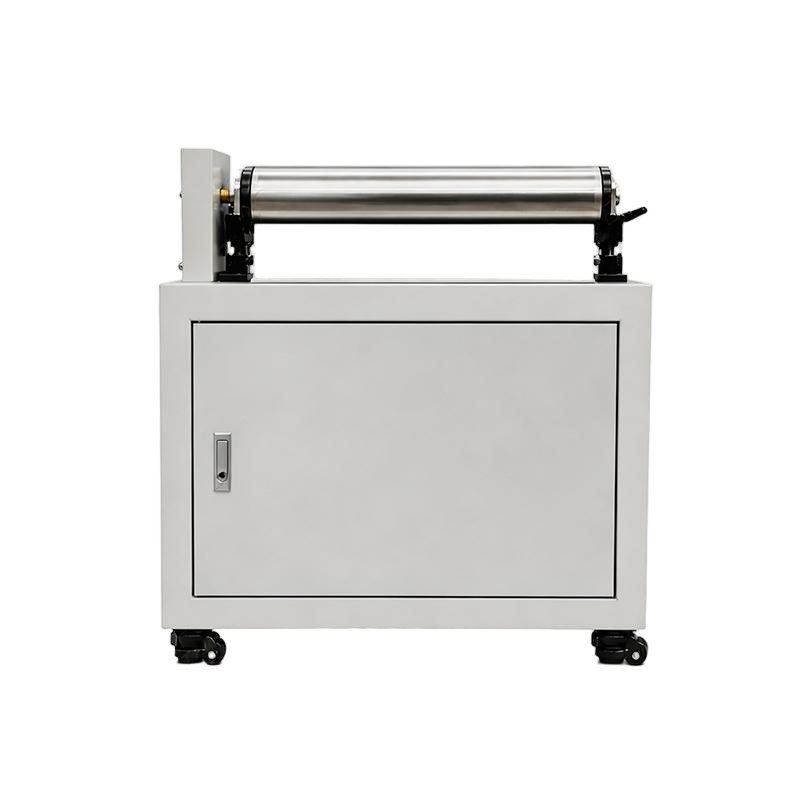
Heat Pipe Equipment Production Line: Complete Guide
1. What Is a Heat Pipe Equipment Production Line?
A Heat Pipe Equipment Production Line combines machines for manufacturing heat pipes. It supports multiple production stages within one coordinated system.
Heat pipes transfer heat efficiently through phase-change technology. They support thermal management in many industrial applications.
Common applications include electronics cooling, power equipment, LED lighting, and industrial heat exchangers. Therefore, manufacturers need reliable equipment for consistent production.
A complete equipment configuration may include:
- Tube cutting machines
- Tube necking machines
- Powder filling machines
- Vacuum sintering furnaces
- Degassing machines
- Filling and welding machines
- Dry-out testing equipment
- Thermal performance testing systems
Each machine performs a specific manufacturing task. However, equipment compatibility matters as much as individual machine performance.
A properly configured production system reduces unnecessary handling. It also improves process consistency and production coordination.
Manufacturers should evaluate the entire equipment configuration before purchasing individual machines.
2. Why Equipment Configuration Matters
Heat pipe manufacturing involves several connected processes. Each process affects the quality of the finished product.
For example, inconsistent powder filling can affect wick structure. Poor degassing can influence internal vacuum conditions.
Similarly, unreliable welding can cause leakage. Inadequate testing can allow defective products to enter later production stages.
A suitable Heat Pipe Equipment Production Line helps manufacturers manage these risks.
2.1 Improve Manufacturing Consistency
Specialized machines provide more controlled production conditions. They also reduce dependence on manual operations.
Consistent processing helps manufacturers maintain repeatable product quality. This matters when producing large batches.
2.2 Reduce Manual Handling
Integrated equipment can reduce unnecessary transfers between workstations. Consequently, operators can focus on monitoring and quality control.
Automated feeding and handling systems may further improve production efficiency. Their suitability depends on product dimensions and production requirements.
2.3 Support Different Product Specifications
Different heat pipes require different manufacturing processes. Their dimensions, wick structures, and materials may vary.
A flexible equipment configuration helps manufacturers handle these differences. It can also support future product development.
2.4 Improve Production Management
Connected machines make process coordination easier. Manufacturers can establish clear production checkpoints.
They can also identify bottlenecks more quickly. This supports better planning and equipment utilization.
3. Key Machines in a Heat Pipe Equipment Production Line
The equipment configuration depends on the product design. However, several machine categories commonly support heat pipe manufacturing.
3.1 Heat Pipe Tube Cutting Machine
Tube cutting prepares copper or other specified metal tubes. It establishes the required workpiece length.
Accurate cutting helps maintain dimensional consistency. It also supports subsequent forming and assembly operations.
Important selection factors include:
- Compatible tube materials
- Tube diameter range
- Cutting length range
- Cutting accuracy
- Feeding method
- Production speed
- Burr control
Manufacturers should confirm the required tube specifications before selecting a cutting machine.
3.2 Heat Pipe Necking Machine
A necking machine reduces the tube diameter at designated positions. This operation supports specific product designs and connection requirements.
The machine should match the tube material and dimensions. Stable forming conditions help reduce deformation and inconsistent results.
A suitable Heat Pipe Necking Machine can support repeatable tube preparation.
3.3 Heat Pipe Powder Filling Machine
Powder filling equipment introduces wick material into the heat pipe tube. Copper powder is commonly used in sintered wick structures.
The filling process requires controlled material distribution. Inconsistent filling may affect wick structure and thermal performance.
Important equipment considerations include:
- Powder compatibility
- Filling quantity control
- Tube positioning
- Filling consistency
- Material handling
- Cleaning and maintenance
Manufacturers should select equipment according to the wick design. Different powder specifications may require different process settings.
3.4 Vacuum Sintering Furnace
A vacuum sintering furnace processes the filled tube under controlled conditions. It helps form the sintered powder wick structure.
Temperature control and vacuum conditions are important. Furnace configuration should match the material and process requirements.
Key considerations include:
- Effective heating zone
- Temperature uniformity
- Vacuum system configuration
- Loading capacity
- Heating control
- Cooling arrangement
- Process repeatability
The correct furnace design depends on product dimensions and production volume.
3.5 Heat Pipe Degassing Machine
Degassing equipment removes non-condensable gases from the heat pipe. This step helps prepare the internal environment before final sealing.
Residual gases can affect heat transfer performance. Therefore, manufacturers should carefully control the degassing process.
A Heat Pipe Degassing Machine may include vacuum pumping and process control systems. The exact configuration depends on the product and manufacturing method.
3.6 Heat Pipe Filling and Welding Machine
This machine supports working-fluid charging and tube sealing. It combines important operations within the manufacturing process.
The filling process must match the heat pipe design. Working-fluid quantity also requires suitable control.
The welding system must create a reliable sealed connection. Manufacturers should evaluate welding consistency and sealing quality.
A Heat Pipe Filling & Welding Machine can help coordinate these operations.
3.7 Heat Pipe Multi-Station Dry-Out Tester
Dry-out testing evaluates heat pipe behavior under defined operating conditions. It helps manufacturers identify performance limitations.
Different products require different testing parameters. Therefore, test equipment should match the intended application.
A multi-station configuration may support several samples simultaneously. This can improve testing organization and throughput.
3.8 Thermal Performance Testing Equipment
Thermal performance testing evaluates heat transfer behavior. It helps manufacturers assess product consistency.
Testing conditions should reflect the product design. These conditions may include heating power, orientation, and cooling arrangements.
Manufacturers should define acceptance criteria before selecting testing equipment.
4. How Different Machines Work Together
A Heat Pipe Equipment Production Line should connect each manufacturing stage logically. The machines must support compatible product dimensions and process requirements.
A typical equipment sequence may include:
- Tube cutting
- Tube cleaning and preparation
- Tube necking or forming
- Wick material filling
- Vacuum sintering
- Degassing
- Working-fluid filling
- Welding and sealing
- Dry-out testing
- Thermal performance testing
Not every product requires the same sequence. Some designs may use alternative wick structures or additional forming operations.
4.1 Match Upstream and Downstream Equipment
The output dimensions of one machine must match the next machine’s requirements. Otherwise, operators may need additional adjustment.
For example, tube cutting accuracy affects later forming operations. Powder filling quality also influences subsequent sintering.
Therefore, equipment selection should consider the complete process.
4.2 Define Production Capacity
Manufacturers should estimate the required output before configuring equipment. They should also consider production shifts and expected product changes.
The slowest process may become the production bottleneck. Matching machine capacity helps reduce unnecessary waiting.
4.3 Plan Material and Workpiece Transfer
Workpiece movement affects production efficiency. Poor workstation arrangement can increase handling time.
A suitable layout should consider machine access, operator movement, and material storage. Automated transfer can be considered when production volume justifies it.
5. Equipment Selection for Different Heat Pipe Products
Different wick structures require different equipment configurations. Product dimensions also influence machine selection.
5.1 Sintered Powder Wick Heat Pipes
Sintered powder wick heat pipes use metal powder inside the tube. The powder forms a porous structure after sintering.
Typical equipment includes:
- Tube cutting machine
- Powder filling machine
- Vacuum sintering furnace
- Degassing machine
- Filling and welding machine
- Thermal testing equipment
Powder properties and sintering conditions require careful control. Manufacturers should confirm compatibility between filling and sintering equipment.
5.2 Grooved Wick Heat Pipes
Grooved wick structures use internal channels to support liquid return. Their manufacturing process differs from sintered powder structures.
Equipment requirements depend on the tube design. Forming and inspection methods should match the internal groove specifications.
5.3 Mesh Wick Heat Pipes
Mesh wick structures use metal mesh inside the tube. Assembly accuracy influences the final internal structure.
Manufacturers should evaluate mesh preparation and insertion methods. Additional positioning equipment may be necessary.
5.4 Different Tube Sizes and Product Designs
Heat pipes can have different diameters, lengths, and shapes. These differences affect equipment compatibility.
Before purchasing equipment, manufacturers should prepare product drawings. They should also provide material details and expected production quantities.
6. Automation and Production Line Integration
Automation can improve process coordination. However, not every manufacturer needs a fully automated system.
The right automation level depends on production volume, labor costs, and product variety.
6.1 Semi-Automatic Equipment Configuration
Semi-automatic systems combine specialized machines with manual handling. They offer flexibility for smaller production batches.
This configuration may suit manufacturers with several product specifications. It can also reduce initial equipment complexity.
6.2 Fully Automated Equipment Configuration
Fully automated systems connect multiple operations through automatic handling. They may include feeding, positioning, transfer, and monitoring functions.
Automation can reduce manual intervention. However, it requires careful process integration.
Manufacturers should evaluate maintenance requirements and production flexibility. They should also confirm whether automation supports their product range.
6.3 Production Data and Process Monitoring
Process monitoring helps operators track important production parameters. These may include temperature, vacuum conditions, and filling settings.
Data collection can support process analysis. It can also help identify abnormal production conditions.
6.4 Flexible Production Planning
Some factories manufacture several heat pipe models. Their equipment should support practical changeover procedures.
Quick adjustments can reduce downtime. Standardized fixtures may also improve production flexibility.
7. Quality Control and Testing Equipment
Quality control should cover the entire manufacturing process. Final inspection alone cannot replace process monitoring.
A suitable inspection plan should include several checkpoints.
7.1 Dimensional Inspection
Dimensional inspection checks tube length, diameter, and forming accuracy. It helps identify machining deviations.
Inspection tools should match the product tolerances. Manufacturers should establish clear measurement procedures.
7.2 Vacuum and Leakage Inspection
Vacuum conditions influence internal heat pipe operation. Leakage can compromise product reliability.
Manufacturers should select suitable inspection methods. Testing requirements depend on product design and acceptance standards.
7.3 Welding Quality Inspection
Welding quality affects sealing reliability. Poor welding may lead to leakage or product failure.
Inspection should cover weld appearance and sealing performance. Additional testing may be necessary for demanding applications.
7.4 Thermal Performance Testing
Thermal testing evaluates heat transfer behavior. It helps compare finished products against defined requirements.
Manufacturers should use repeatable testing conditions. They should also record results for production traceability.
7.5 Process Documentation
Production records help manufacturers identify process variations. They also support quality improvement activities.
Useful records may include:
- Material batches
- Powder filling parameters
- Sintering conditions
- Vacuum process data
- Working-fluid quantities
- Welding parameters
- Inspection results
8. How to Choose the Right Equipment Configuration
Selecting equipment requires more than comparing machine prices. Manufacturers should evaluate technical compatibility and long-term production needs.
8.1 Define Product Specifications
Prepare detailed product drawings before requesting quotations. Include tube dimensions, materials, and wick structures.
Also identify the required product range. This information helps suppliers recommend suitable configurations.
8.2 Estimate Production Requirements
Calculate expected daily and monthly output. Consider working hours and planned production shifts.
Avoid choosing equipment based only on maximum advertised speed. Actual output depends on the complete process.
8.3 Evaluate Machine Compatibility
Check whether each machine supports the required product dimensions. Confirm connections between upstream and downstream operations.
Ask suppliers to explain the proposed process sequence. This helps identify missing equipment or unnecessary functions.
8.4 Consider Future Expansion
Production requirements may change over time. Manufacturers should consider future product development.
Modular equipment can provide additional flexibility. However, expansion plans should remain realistic.
8.5 Review Technical Support
Installation and commissioning affect equipment performance. Operators also need suitable training.
Before purchasing, discuss technical documentation and after-sales support. Confirm the scope of installation and maintenance services.
8.6 Compare Total Ownership Costs
Purchase price represents only part of equipment investment. Manufacturers should also evaluate operating and maintenance costs.
Consider energy consumption, consumables, labor, and replacement parts. A complete cost assessment supports better investment decisions.
9. Common Equipment Selection Mistakes
Equipment selection mistakes can increase production costs. They may also create unnecessary process limitations.
9.1 Buying Machines Without Process Planning
Purchasing individual machines without process planning can create compatibility problems. The resulting production line may require additional modifications.
Define the manufacturing process first. Then select equipment for each operation.
9.2 Ignoring Product Variation
A machine may support one tube specification but not another. This can restrict future production.
Confirm the complete product range before purchasing. Request technical confirmation for different sizes and materials.
9.3 Overlooking Testing Equipment
Some manufacturers focus on production machines only. However, testing equipment is important for process verification.
Include inspection requirements during the initial planning stage. This helps avoid later equipment gaps.
9.4 Choosing Automation Without Evaluating Actual Needs
High automation does not automatically guarantee better production results. Complex systems may increase maintenance requirements.
Evaluate production volume and product variety. Select an automation level that matches actual factory conditions.
9.5 Focusing Only on Initial Price
Low purchase prices may involve limitations in configuration or support. These limitations can affect long-term operating costs.
Compare technical specifications and service scope. Consider the complete investment rather than the initial quotation alone.
10. Maintenance and Production Efficiency
Regular maintenance supports stable equipment operation. It also helps reduce unexpected production interruptions.
10.1 Establish Preventive Maintenance Plans
Create maintenance schedules for each machine. Include cleaning, inspection, lubrication, and component checks where applicable.
Follow the equipment manufacturer’s maintenance instructions. Record completed maintenance activities.
10.2 Monitor Critical Components
Vacuum pumps, heating systems, sensors, and welding components require attention. Their condition can influence production consistency.
Replace worn components according to maintenance requirements. Avoid waiting for equipment failure.
10.3 Train Equipment Operators
Operators should understand machine functions and safety procedures. They should also recognize abnormal operating conditions.
Proper training can reduce operating errors. It supports consistent production practices.
10.4 Review Production Bottlenecks
Monitor cycle times across the production line. Identify processes that create unnecessary waiting.
Adjust workstation arrangements when needed. Equipment upgrades should address measurable production problems.
11. Why Work with a Professional Heat Pipe Equipment Manufacturer?
Choosing an equipment manufacturer involves more than purchasing machines. It requires technical communication and process understanding.
A professional supplier should understand heat pipe manufacturing requirements. The supplier should also explain equipment functions clearly.
When evaluating a manufacturer, consider these points:
- Experience with heat pipe production equipment
- Understanding of different wick structures
- Machine configuration capabilities
- Equipment customization options
- Installation and commissioning support
- Operator training
- Technical documentation
- Maintenance and after-sales service
cncooling-thermal provides industrial heat pipe and thermal manufacturing equipment solutions. Manufacturers can discuss product requirements and equipment configurations through its official website.
Visit cncooling-thermal to learn more about available equipment and manufacturing solutions.
A suitable equipment configuration should match the factory’s actual production needs. It should also support reliable process coordination and future development.
12. Frequently Asked Questions
Q1. What machines are included in a Heat Pipe Equipment Production Line?
A typical configuration includes tube cutting, powder filling, sintering, degassing, and filling equipment. It may also include necking, welding, dry-out testing, and thermal testing machines.
The exact configuration depends on the heat pipe design.
Q2. Is a vacuum sintering furnace necessary for every heat pipe?
No. A vacuum sintering furnace is mainly used for sintered powder wick structures.
Other wick designs may require different manufacturing processes. Equipment selection should follow the product structure.
Q3. Can one production line manufacture different heat pipe sizes?
Some equipment can support multiple product sizes. However, the available range depends on machine design and tooling.
Manufacturers should confirm compatibility before purchasing.
Q4. What affects heat pipe production equipment investment?
Investment depends on equipment quantity, automation level, and technical configuration. Product specifications and production capacity also influence the total cost.
Testing equipment and factory integration can add further requirements.
Q5. What is the function of a heat pipe degassing machine?
A degassing machine removes non-condensable gases during manufacturing. This helps establish the required internal conditions before sealing.
The process must match the product design.
Q6. Why is thermal performance testing important?
Thermal performance testing evaluates heat transfer behavior. It helps manufacturers check product consistency and identify potential defects.
Testing conditions should follow defined product requirements.
Q7. Should manufacturers choose semi-automatic or fully automatic equipment?
The decision depends on production volume and product variety. Semi-automatic equipment offers flexibility for varied batches.
Fully automated systems may suit higher-volume production. Manufacturers should evaluate integration and maintenance requirements.
Q8. How can manufacturers select a suitable equipment supplier?
Review the supplier’s technical knowledge and equipment configuration experience. Also evaluate customization, commissioning, training, and after-sales support.
Provide detailed product drawings before requesting a proposal.
Conclusion
A Heat Pipe Equipment Production Line requires coordinated machines and suitable process control. Each equipment choice influences manufacturing consistency and production efficiency.
Manufacturers should begin with product specifications and process requirements. They should then evaluate machine compatibility, automation, and testing needs.
A carefully planned configuration supports stable manufacturing. It also provides a practical foundation for future production expansion.
For equipment information and technical discussions, visit cncooling-thermal.com.