
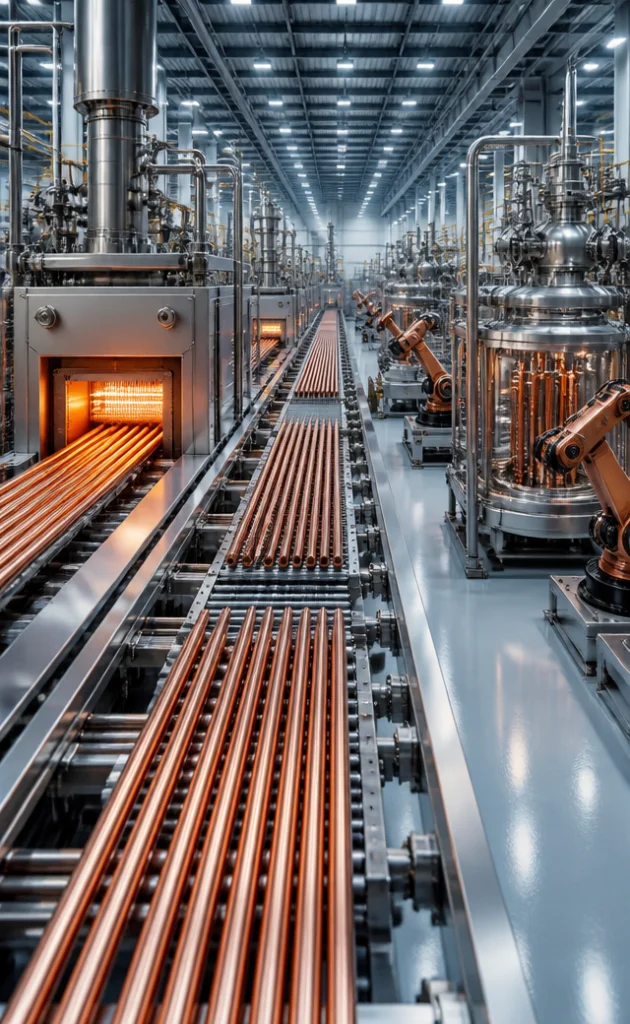
Cryogenic Filling Machine: Complete Selection Guide
1. What Is a Cryogenic Filling Machine?
A Cryogenic Filling Machine transfers extremely cold liquefied gases into suitable storage containers. It supports controlled filling operations in industrial gas applications.
Common cryogenic liquids include liquid nitrogen, liquid oxygen, and liquid argon. Liquid carbon dioxide also serves specialized industrial applications, although its storage conditions differ.
These liquids require carefully designed storage and transfer systems. Their low temperatures create specific equipment and safety requirements.
A Cryogenic Filling Machine controls the transfer of cryogenic liquids from storage sources into receiving containers.
Depending on its design, the system may support:
- Liquid transfer and metering
- Filling pressure control
- Container positioning
- Automatic filling sequences
- Level or weight monitoring
- Safety interlocks
- Process data recording
The machine configuration depends on the gas type and container design. Manufacturers must also consider filling capacity and operating conditions.
For example, liquid nitrogen filling systems require suitable low-temperature materials. Liquid oxygen systems need additional oxygen compatibility considerations.
Therefore, buyers should define their application before selecting equipment.
2. How Does a Cryogenic Filling Machine Work?
A Cryogenic Filling Machine transfers liquid through a controlled piping system. Its operating principle depends on the storage and filling arrangement.
However, a typical process includes several stages.
2.1 Liquid Storage Preparation
First, the system receives cryogenic liquid from a suitable storage tank. The tank maintains the required storage conditions.
Insulation helps reduce heat transfer from the environment. Suitable pressure protection also supports safe operation.
2.2 Container Connection
Operators position the receiving container. They then connect the filling line through compatible fittings.
The connection must match the container design. It must also support the required operating pressure and temperature.
2.3 System Preparation
Before filling, operators check the piping and valves. They also verify the container condition and system readiness.
Some systems require line cooling before liquid transfer. This process helps reduce excessive vapor generation.
2.4 Cryogenic Liquid Transfer
The system transfers liquid through suitable pumps or pressure-driven arrangements.
The transfer method depends on the installation design. It also depends on the liquid properties and required filling rate.
2.5 Filling Quantity Control
The machine monitors the filling process. Depending on its configuration, it may use weight, level, or another suitable measurement method.
A control system can stop the transfer at the defined target. This helps improve filling consistency.
2.6 Filling Completion
After reaching the required filling quantity, the system stops liquid transfer. Operators then follow the approved isolation and disconnection procedure.
The receiving container must meet its specified filling limits. Manufacturers should verify the final result before releasing it.
3. Main Components of Cryogenic Filling Equipment
A Cryogenic Filling Machine contains several functional components. Their design must match the working medium and application.
3.1 Cryogenic Liquid Storage Tank
The storage tank supplies the liquid medium. It typically uses vacuum insulation to reduce heat ingress.
Tank capacity depends on production demand. Its pressure rating must match the installation requirements.
3.2 Transfer Pipeline
The transfer pipeline carries liquid from storage to the filling point.
Its materials must suit cryogenic temperatures. Pipeline insulation also helps reduce heat transfer.
3.3 Cryogenic Pump
Some systems use a cryogenic pump to transfer liquid. Pump selection depends on flow rate and pressure requirements.
Not every filling system uses the same pumping arrangement. Buyers should confirm the required configuration.
3.4 Filling Valves and Connections
Valves control liquid flow through the system. Filling connections link the equipment with receiving containers.
These components require suitable material compatibility. Their design should also support safe isolation.
3.5 Measurement Instruments
Measurement instruments monitor filling conditions. Depending on the system, they may measure weight, pressure, temperature, or liquid level.
Suitable measurement methods help control the filling quantity. Calibration and maintenance also support measurement reliability.
3.6 Control System
The control system coordinates the filling sequence. It may manage valves, pumps, alarms, and automatic shutdown functions.
Some systems also support production data recording. These functions help operators monitor daily operations.
3.7 Safety Protection System
Cryogenic systems require appropriate protection measures. These may include pressure relief devices, emergency stops, and gas detection.
The exact configuration depends on the liquid and installation. A qualified engineering review should determine the final design.
4. Common Types of Cryogenic Filling Machines
Different applications require different filling configurations. Buyers should select equipment according to the container and liquid type.
4.1 Liquid Nitrogen Filling Machine
Liquid nitrogen filling machines transfer nitrogen into suitable containers.
Applications include industrial cooling, food processing, laboratories, and biological storage.
The system must manage nitrogen’s extremely low temperature. Ventilation and oxygen-deficiency protection also require attention.
4.2 Liquid Oxygen Filling Machine
Liquid oxygen filling equipment serves oxygen supply applications. It requires materials and components suitable for oxygen service.
Oxygen systems demand strict cleanliness controls. Oil and grease contamination can create serious fire hazards.
Therefore, oxygen-compatible engineering and operating procedures are essential.
4.3 Liquid Argon Filling Machine
Liquid argon systems supply cryogenic argon to suitable storage containers.
Industrial applications include welding and metal processing. Gas supply facilities may also use these systems.
Equipment selection should consider storage pressure and transfer requirements.
4.4 Cryogenic Cylinder Filling System
Cylinder filling systems transfer cryogenic liquids into approved cylinders.
Their design depends on cylinder specifications. Filling procedures must follow the container manufacturer’s requirements.
4.5 Automatic Cryogenic Filling System
Automatic systems use control equipment to manage filling operations.
They may support automatic valve operation and filling quantity control. Some configurations also connect with production management systems.
Automation requirements depend on the application. Buyers should confirm the actual functions before purchasing.
5. Key Features of Modern Cryogenic Filling Systems
Modern filling equipment should support reliable liquid transfer. Several features deserve attention during technical evaluation.
5.1 Low-Temperature Material Compatibility
Cryogenic liquids can cause ordinary materials to become brittle. Therefore, equipment materials must suit the operating temperature.
Manufacturers should verify material specifications. They should also review valves, seals, pipes, and connections.
5.2 Vacuum Insulation
Vacuum-insulated components help reduce heat transfer. They can limit unwanted liquid evaporation during transfer.
However, insulation performance depends on system design. Pipeline layout and connection quality also matter.
5.3 Accurate Filling Control
Filling control helps maintain consistent quantities. Different applications may use different measurement methods.
For example, weight-based control can support mass measurement. Level-based control may suit specific container designs.
The selected method must match the application.
5.4 Automatic Operation
Automatic controls can reduce repetitive manual operations. They may also improve process consistency.
However, automation does not replace operator training. Proper supervision and emergency procedures remain necessary.
5.5 Leakage Monitoring
Cryogenic liquid leakage can create serious hazards. Therefore, suitable inspection and monitoring methods are important.
The system should support reliable connections. Operators should also follow regular inspection procedures.
5.6 Easy Maintenance
Maintenance access affects equipment availability. Buyers should review pump accessibility and valve replacement procedures.
Clear documentation can simplify daily inspections. Spare parts availability also matters.
6. Safety Requirements for Cryogenic Filling Operations
Cryogenic filling involves extreme temperatures and specialized hazards. Safety engineering must form part of the equipment design.
6.1 Preventing Cold Burns
Contact with cryogenic liquids can cause severe cold injuries. Cold vapor and uninsulated components can also damage skin.
Operators should use suitable protective equipment. They should also follow approved handling procedures.
6.2 Preventing Pressure Buildup
Cryogenic liquids expand significantly when they become gas. Trapped liquid can create dangerous pressure buildup.
Therefore, trapped-liquid sections require suitable pressure protection. Relief devices must follow applicable engineering standards.
6.3 Maintaining Adequate Ventilation
Nitrogen and argon can displace oxygen. Oxygen deficiency may create serious risks in enclosed areas.
Facilities should evaluate ventilation requirements. Oxygen monitoring may also be necessary.
6.4 Managing Oxygen Enrichment
Liquid oxygen creates a different hazard. Oxygen enrichment can increase the intensity of combustion.
Oxygen-service equipment requires appropriate cleanliness. Operators must prevent contact with oil, grease, and incompatible materials.
6.5 Using Suitable Electrical and Control Systems
Electrical equipment must suit the installation environment. Control systems should provide appropriate alarms and emergency functions.
Facilities must also evaluate hazardous-area requirements where applicable.
6.6 Training Operators
Operators need training before using cryogenic equipment. Training should cover normal operation and emergency response.
Written procedures should explain connection and disconnection steps. Regular inspections also help identify equipment problems.
7. How to Choose the Right Cryogenic Filling Machine
Choosing a suitable Cryogenic Filling Machine requires clear application information.
The following factors help buyers evaluate equipment options.
7.1 Identify the Cryogenic Medium
Start by identifying the liquid to be filled.
Different media require different material and safety considerations. Liquid nitrogen and liquid oxygen systems cannot automatically share identical specifications.
7.2 Define the Container Type
Specify the receiving container design. Common options include approved cryogenic cylinders and storage vessels.
Container dimensions and connections affect machine configuration. Buyers should provide relevant technical documents.
7.3 Confirm Filling Capacity
Define the required filling quantity and production rate. These figures help determine the transfer system.
Also, consider daily operating hours. Peak demand may influence storage and pump selection.
7.4 Evaluate Pressure and Temperature Conditions
Provide the required operating pressure and temperature range. These parameters influence piping and component selection.
The supplier should review the complete operating conditions. Equipment ratings must match the intended application.
7.5 Select the Filling Measurement Method
Different systems use different measurement methods. Weight, level, and flow-based arrangements may suit different applications.
Buyers should compare accuracy requirements and maintenance needs. They should also confirm how the system handles measurement errors.
7.6 Consider Automation Requirements
Determine whether the process requires manual or automatic operation.
High-volume production may benefit from automatic controls. Smaller operations may require a simpler configuration.
7.7 Review Safety and Compliance
Ask suppliers to identify applicable design standards. Also, review pressure protection and emergency shutdown arrangements.
Certification requirements vary by country and application. Buyers should confirm local regulatory obligations.
7.8 Request Technical Documentation
Before purchasing, review technical drawings and specifications. Also, request operating and maintenance instructions.
A detailed technical review helps reduce installation problems. It also supports proper equipment acceptance.
8. Cryogenic Filling Machine Applications
Cryogenic filling equipment serves many industrial sectors. Its configuration depends on the liquid and receiving container.
8.1 Industrial Gas Supply
Industrial gas companies use filling systems to distribute cryogenic liquids. These gases support manufacturing and processing operations.
Liquid nitrogen and liquid argon are common examples. Their filling systems require suitable storage and transfer arrangements.
8.2 Medical and Healthcare Applications
Healthcare facilities use cryogenic gases for selected applications. Liquid nitrogen also supports certain biological storage processes.
Equipment selection must consider the intended use. Storage procedures and container requirements also matter.
8.3 Food Processing
Food manufacturers use liquid nitrogen in selected cooling and freezing operations.
Cryogenic filling systems can supply the required liquid. The equipment must suit the production environment.
8.4 Scientific Laboratories
Laboratories use cryogenic liquids for research and testing. Liquid nitrogen is particularly common in many laboratory environments.
Suitable filling equipment helps manage supply operations. Ventilation and safe handling remain essential.
8.5 Metal Processing and Welding
Liquid argon supports many industrial welding applications. Cryogenic storage and filling systems can support gas distribution facilities.
The filling equipment must match the supply arrangement. Material compatibility and pressure control remain important.
8.6 Energy and Chemical Industries
Some industrial facilities use cryogenic liquids in specialized processes. These applications may require customized filling arrangements.
Buyers should provide detailed process information. Engineering teams can then evaluate suitable configurations.
9. Common Filling Problems and Solutions
Filling problems can interrupt production. A clear troubleshooting procedure helps operators identify potential causes.
9.1 Slow Liquid Transfer
Slow transfer may result from insufficient pressure or restricted flow.
Suggested solutions:
- Inspect the transfer pipeline.
- Check valve positions.
- Review pump operating conditions.
- Confirm storage tank pressure.
- Inspect filters and connections.
9.2 Excessive Liquid Evaporation
Heat entering the system can increase liquid evaporation. Poor insulation or unsuitable operating procedures may contribute.
Suggested solutions:
- Inspect insulated pipelines.
- Check connection conditions.
- Review pre-cooling procedures.
- Reduce unnecessary transfer delays.
- Follow the equipment manufacturer’s instructions.
9.3 Inaccurate Filling Quantity
Measurement errors can create filling inconsistencies. Instrument problems or incorrect settings may contribute.
Suggested solutions:
- Check measurement instruments.
- Review calibration records.
- Verify container positioning.
- Confirm filling parameters.
- Inspect automatic shutdown functions.
9.4 Pipeline Frosting
Frost may appear on cold equipment surfaces. However, unusual or localized frosting may indicate insulation problems.
Suggested solutions:
- Inspect insulation conditions.
- Check vacuum-insulated components.
- Review pipeline connections.
- Follow approved maintenance procedures.
- Contact qualified technical personnel when necessary.
9.5 Unstable Filling Pressure
Pressure fluctuations can affect transfer stability. Storage conditions, valve operation, and system configuration may contribute.
Suggested solutions:
- Inspect pressure instruments.
- Check valve operation.
- Review storage conditions.
- Examine pipeline restrictions.
- Verify system pressure protection.
9.6 Unexpected Equipment Shutdown
Unexpected shutdowns may result from alarms or protection interlocks.
Suggested solutions:
- Read the alarm information.
- Inspect relevant sensors.
- Check emergency stop circuits.
- Review operating conditions.
- Follow the approved restart procedure.
Never bypass safety interlocks to maintain production.
10. Integration with Cryogenic Production Systems
A Cryogenic Filling Machine may operate as an independent unit. It can also connect with a larger cryogenic gas supply system.
A typical installation may include:
- Cryogenic liquid storage tank
- Transfer pipeline
- Cryogenic pump, where required
- Pressure and temperature instruments
- Filling station
- Receiving containers
- Control and monitoring system
- Pressure relief and safety devices
- Ventilation and emergency protection
The final arrangement depends on the liquid and facility layout.
For example, an industrial gas filling station may require multiple filling positions. A laboratory installation may need a smaller supply arrangement.
Manufacturers should consider storage capacity and transfer distance. They should also evaluate the number of containers processed per shift.
System integration should include electrical connections and safety controls. Qualified engineers should review the complete installation.
11. Why Choose a Professional Cryogenic Equipment Manufacturer?
Cryogenic filling equipment requires specialized engineering. Buyers should evaluate technical experience and application compatibility.
A suitable equipment supplier should understand:
- Cryogenic liquid properties
- Low-temperature material selection
- Vacuum insulation technology
- Liquid transfer and metering
- Pressure protection systems
- Filling automation
- Equipment installation and maintenance
Buyers should also request detailed technical documents. These documents should describe operating limits and safety functions.
For companies evaluating cryogenic filling solutions, provide the following information:
- Type of cryogenic liquid
- Receiving container specifications
- Required filling quantity
- Expected production capacity
- Operating pressure and temperature
- Automation requirements
- Installation environment
- Applicable local standards
These details help clarify the required equipment configuration.
Before purchasing, confirm the supplier’s actual manufacturing capabilities. Also, verify the equipment’s compliance with relevant local regulations.
12. Frequently Asked Questions
Q1. What Is a Cryogenic Filling Machine?
A Cryogenic Filling Machine transfers extremely cold liquefied gases into suitable containers. It controls the liquid transfer and filling process.
Q2. Which Liquids Can a Cryogenic Filling Machine Handle?
Common examples include liquid nitrogen, liquid oxygen, and liquid argon. The equipment must match the selected medium.
Q3. Can One Machine Fill Different Cryogenic Liquids?
Not automatically. Different liquids require different material compatibility and safety arrangements.
Buyers should confirm the intended medium before equipment selection.
Q4. How Does a Cryogenic Filling Machine Control Filling Quantity?
Depending on its design, the machine may use weight, level, or flow measurement. The appropriate method depends on container and process requirements.
Q5. Why Does Cryogenic Filling Equipment Need Insulation?
Insulation reduces heat transfer from the environment. It helps limit unwanted evaporation during storage and transfer.
Q6. Is Automatic Cryogenic Filling Available?
Yes. Some systems support automatic valve operation and filling control.
The actual automation functions depend on the equipment configuration.
Q7. What Safety Features Should Buyers Consider?
Important features may include pressure relief devices, emergency shutdowns, alarms, and suitable gas detection.
The required protection depends on the liquid and installation.
Q8. What Information Should Buyers Provide?
Provide the liquid type, container specifications, filling capacity, and operating conditions.
Also, explain the installation environment and automation requirements.
Q9. Does Liquid Oxygen Require Special Equipment?
Yes. Oxygen service requires suitable materials and strict cleanliness controls.
Equipment must prevent contamination from oil, grease, and incompatible substances.
Q10. How Can Manufacturers Reduce Cryogenic Filling Losses?
Suitable insulation and efficient transfer arrangements can help reduce heat ingress. Proper operating procedures also help limit unnecessary liquid evaporation.