
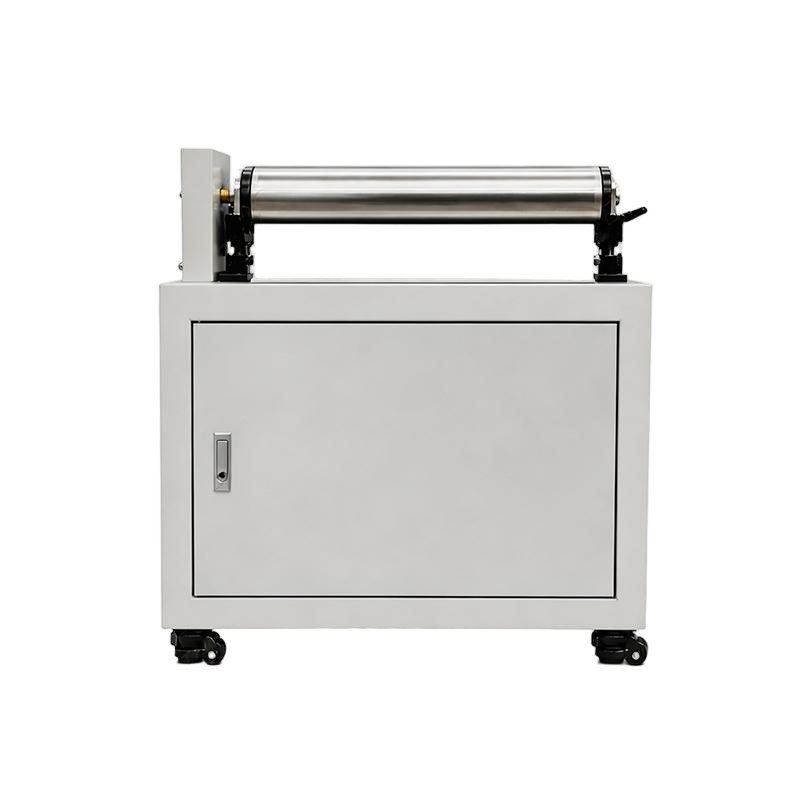
Heat Pipe Equipment Production Line: Complete Manufacturing Guide
1. What Is a Heat Pipe Equipment Production Line?
A heat pipe equipment production line is a collection of machines designed to manufacture heat pipes through a controlled sequence of operations. Depending on product requirements, the line may include tube cutting, end forming, cleaning, wick installation, evacuation, fluid charging, sealing, and testing equipment.
Some manufacturers use individual machines for each operation. Others prefer integrated systems that connect several processes and reduce manual handling.
The appropriate configuration depends on product dimensions, materials, production volume, heat pipe design, and required quality standards.
1.1 Main Functions
A typical heat pipe production line supports several manufacturing functions:
- Preparing metal tubes to specified dimensions.
- Forming tube ends and other required features.
- Cleaning internal surfaces before assembly.
- Installing or preparing the internal wick structure.
- Evacuating air and other unwanted gases.
- Charging the correct amount of working fluid.
- Sealing the heat pipe to create a closed enclosure.
- Testing finished products for leakage and thermal performance.
Not every line needs all these machines. For example, some manufacturers purchase preformed tubes or outsource selected operations.
Therefore, equipment planning should begin with the actual manufacturing process rather than a standard machine list.
1.2 Why Equipment Integration Matters
Each production stage affects the next one. Poor cutting quality may complicate end forming. Inadequate cleaning may increase contamination. Incorrect fluid charging can affect thermal behavior.
An integrated production line helps manufacturers coordinate these operations. It can also improve traceability and reduce unnecessary handling between machines.
However, integration alone does not guarantee quality. Manufacturers still need validated process parameters, suitable equipment, and consistent inspection procedures.
2. How Does a Heat Pipe Work?
Understanding heat pipe operation helps explain why manufacturing accuracy matters.
A conventional heat pipe contains a sealed enclosure, a working fluid, and an internal wick structure. The wick may use sintered powder, grooves, mesh, or another design suitable for the application.
During operation, heat enters the evaporator section and vaporizes the working fluid. The vapor travels toward a cooler condenser section. There, it releases heat and condenses back into liquid.
The wick then returns the liquid toward the evaporator through capillary action. This cycle transfers heat efficiently along the pipe.
2.1 The Role of the Working Fluid
The working fluid must suit the operating temperature range and material system. Water often serves in heat pipes designed for electronics cooling. Other fluids may suit different temperature ranges or applications.
Manufacturers must control fluid purity and charging quantity. The required charge depends on the internal volume, wick structure, geometry, and intended operating conditions.
An incorrect charge can reduce performance. Therefore, fluid preparation and metering deserve careful process control.
2.2 The Role of the Wick Structure
The wick returns liquid from the condenser to the evaporator. Its structure influences capillary pressure, liquid permeability, and thermal performance.
Different wick designs require different preparation and installation methods. Sintered powder structures, for example, may require specialized processing and sintering equipment.
Manufacturers should select wick technology based on thermal requirements, geometry, cost, and production capability.
2.3 Why Manufacturing Quality Matters
A heat pipe must maintain a suitable internal environment after sealing. Residual gases, contamination, incorrect fluid quantity, or sealing defects can affect performance.
Consequently, manufacturers must control every critical stage. A reliable heat pipe equipment production line supports this goal through repeatable processes and appropriate inspection.
3. Main Equipment in a Heat Pipe Production Line
The equipment configuration varies by product design. Nevertheless, several machine categories commonly support heat pipe manufacturing.
3.1 Tube Cutting Machine
A tube cutting machine prepares metal tubes to the required length. Depending on the product, the process may use mechanical cutting, saw cutting, or another suitable method.
Cutting accuracy affects subsequent forming and assembly. Burrs and metal particles can also create cleaning challenges.
Manufacturers should evaluate cutting tolerance, material compatibility, surface quality, and production speed when selecting this equipment.
3.2 Tube End Forming and Necking Machine
End forming equipment creates the geometry needed for later operations. A necking machine reduces the tube diameter at a selected section. Other forming methods may create shapes required for charging and sealing.
Consistent forming helps ensure reliable fixture positioning and sealing. However, excessive deformation may damage the tube or create unwanted dimensional variation.
The machine should match the tube material, wall thickness, diameter, and forming requirements.
3.3 Cleaning and Drying Equipment
Cleaning removes oils, particles, and other contaminants from components. The process may include washing, rinsing, and controlled drying.
Cleanliness is important because contaminants can release gases during evacuation or affect the internal working environment.
The appropriate cleaning process depends on the metal, wick design, contamination type, and downstream requirements. Manufacturers should validate cleanliness rather than rely only on visual inspection.
3.4 Wick Processing and Installation Equipment
Wick preparation depends on the selected technology. Some designs use mesh or grooved structures, while others use sintered metal powder.
A production line may therefore require cutting fixtures, insertion tools, forming equipment, or dedicated wick-processing machinery.
For sintered wick designs, the process may require additional powder preparation and sintering equipment. These operations are not necessary for every heat pipe design.
Manufacturers should define the wick structure before finalizing the equipment layout.
3.5 Vacuum Evacuation System
A vacuum evacuation system removes air and other gases before final charging and sealing. It may use vacuum pumps, valves, sensors, and dedicated fixtures.
The required vacuum conditions depend on the product and manufacturing method. Pump capacity alone does not determine performance. Chamber volume, outgassing, leakage, and flow restrictions also matter.
A suitable system should provide repeatable evacuation and clear process monitoring.
3.6 Working-Fluid Filling Machine
A filling machine introduces a controlled quantity of working fluid into the heat pipe. Depending on the production design, the process may operate under vacuum or connect with other vacuum operations.
Accurate metering helps maintain consistent fluid charge. The machine should also limit contamination and prevent uncontrolled fluid loss.
Manufacturers should specify fluid type, charge quantity, required accuracy, and expected cycle time when evaluating equipment.
3.7 Sealing and Welding Equipment
After evacuation and fluid charging, manufacturers must close the filling opening. Depending on the design, this operation may use welding, pinching, mechanical closure, or a combination of methods.
The selected process must provide a reliable seal without damaging the tube or compromising the internal environment.
Laser welding and other joining methods may suit particular designs. However, the correct choice depends on material thickness, geometry, production requirements, and validated process capability.
3.8 Testing and Inspection Equipment
Finished heat pipes require suitable quality checks. Depending on the application, a production line may include leak testing, dimensional inspection, thermal performance testing, and visual examination.
These tests detect different types of defects. A leak test checks sealing integrity, while thermal testing evaluates heat transfer under defined conditions.
Manufacturers should choose inspection methods according to product specifications and customer requirements.
4. Heat Pipe Manufacturing Process Step by Step
The manufacturing sequence depends on the heat pipe design and selected equipment. The following workflow illustrates a common approach.
4.1 Step 1: Prepare the Metal Tube
First, the manufacturer selects a tube material and dimensions suitable for the application. The cutting machine then prepares the tube to the specified length.
Operators inspect dimensions and remove burrs or particles as required. This preparation helps reduce variation during forming and assembly.
4.2 Step 2: Form the Tube Ends
Next, forming equipment prepares the tube ends or other required features. The exact operations depend on the filling and sealing design.
Manufacturers should monitor dimensions after forming. Consistent geometry helps ensure repeatable fixture positioning and reduces sealing difficulties.
4.3 Step 3: Prepare and Install the Wick
The manufacturer prepares the internal wick according to the product design. The process may involve inserting mesh, forming grooves, or processing a sintered structure.
The wick must fit the internal geometry correctly. Damage, contamination, or inconsistent placement can affect liquid return and heat transfer.
4.4 Step 4: Clean and Dry the Components
The tube and relevant internal components undergo the specified cleaning process. The manufacturer then removes cleaning residues and moisture.
This stage prepares the internal surfaces for vacuum processing. Consistent cleaning helps reduce contamination and unwanted outgassing.
4.5 Step 5: Evacuate the Heat Pipe
The evacuation system removes air and other gases from the internal space. The process must account for the product geometry and materials.
Manufacturers monitor pressure and process duration. They should also investigate unexpected pressure behavior rather than compensate automatically with longer cycles.
4.6 Step 6: Charge the Working Fluid
The filling system introduces the specified working-fluid quantity. Accurate metering helps reduce variation between products.
The charging process should suit the selected fluid and heat pipe design. Manufacturers must also prevent contamination during fluid preparation and transfer.
4.7 Step 7: Seal the Heat Pipe
The manufacturer closes the filling opening using the validated sealing method. The operation must protect the internal environment and avoid damage to the enclosure.
After sealing, the product may require additional trimming or finishing operations. The exact sequence depends on the design.
4.8 Step 8: Inspect and Test the Finished Product
Finally, the manufacturer performs the required inspections. These may include dimensional checks, leak testing, and thermal performance evaluation.
The production team records relevant results and separates nonconforming products. This feedback helps identify upstream process problems and improve manufacturing consistency.
5. Types of Heat Pipes and Production Requirements
Different heat pipe designs require different production equipment. Manufacturers should select machines based on their target product range.
5.1 Conventional Round Heat Pipes
Round heat pipes appear in heat sinks, electronic cooling assemblies, and industrial thermal systems.
Their production may involve tube cutting, end forming, wick preparation, vacuum charging, sealing, and testing.
Tube diameter, wall thickness, length, and wick design influence equipment selection. Manufacturers should confirm that fixtures and tooling support the complete product range.
5.2 Flattened Heat Pipes
Flattened heat pipes fit applications with limited installation height. Manufacturers may flatten the tube before or after selected processing stages, depending on the design.
Flattening changes the internal geometry and can affect wick clearance. Therefore, the sequence must preserve the intended vapor space and liquid-return path.
The production line may need dedicated flattening presses and dimensional inspection tools.
5.3 Sintered Wick Heat Pipes
Sintered wick heat pipes use porous metal structures to return liquid. Their manufacture may require powder preparation, forming, and sintering.
The process must control pore structure and wick attachment. These requirements can add specialized equipment beyond a basic tube-processing line.
The correct configuration depends on the wick material and engineering design.
5.4 Custom and Application-Specific Heat Pipes
Some applications require unusual lengths, bends, flattened sections, or special end configurations. These products may need customized fixtures and forming tools.
Before purchasing equipment, manufacturers should provide drawings and representative samples. This information helps determine whether standard machinery can support the product or whether customization is necessary.
6. Benefits of an Integrated Heat Pipe Equipment Production Line
An integrated production line can improve manufacturing coordination. However, its benefits depend on equipment design and actual operating conditions.
6.1 More Consistent Manufacturing
Standardized machines and process recipes help reduce variation between operators and production batches.
For example, controlled fluid charging can reduce differences in working-fluid quantity. Similarly, repeatable forming settings can improve dimensional consistency.
Manufacturers should validate these benefits using production data.
6.2 Improved Production Efficiency
A well-planned line reduces unnecessary handling and waiting between operations. Automated transfers may further improve throughput.
However, the slowest process often determines overall line capacity. Manufacturers should evaluate cycle times across all stations before estimating output.
6.3 Better Process Traceability
Programmable controls can record process settings, alarms, and inspection results. This information helps production teams investigate quality issues.
Traceability becomes especially useful when a factory manufactures several product models. Separate approved recipes can reduce setup errors.
6.4 Easier Capacity Planning
An equipment layout helps manufacturers understand production flow and identify bottlenecks.
For example, a high-speed cutting station may not improve total output if filling and sealing take much longer. Balanced capacity across critical stations can improve overall productivity.
6.5 Greater Flexibility for Product Development
A modular line may support different product sizes through interchangeable fixtures and adjustable settings.
Nevertheless, product changes may require new tooling or process validation. Manufacturers should discuss expected product variations before equipment design begins.
7. Quality Control and Testing
Quality control should cover the complete manufacturing process rather than rely on final inspection alone.
7.1 Dimensional Inspection
Measure tube length, diameter, wall thickness where applicable, and formed features. These dimensions affect assembly, sealing, and installation.
The inspection plan should reflect product tolerances and customer specifications.
7.2 Cleanliness and Process Control
Manufacturers should monitor cleaning effectiveness and drying conditions. Residual contamination can contribute to outgassing and inconsistent product performance.
Where necessary, use suitable inspection methods and validated cleaning procedures. Visual checks alone may not detect every relevant contaminant.
7.3 Leak Testing
Leak testing evaluates whether the sealed heat pipe maintains its required enclosure integrity. The suitable method depends on the product design and required sensitivity.
Manufacturers should define acceptance criteria before production. They should also verify the test method using suitable reference standards or validated procedures.
7.4 Thermal Performance Testing
Thermal testing evaluates heat transfer under defined conditions. Test results can help identify problems with fluid charge, wick structure, internal contamination, or assembly quality.
However, results depend on the test setup. Manufacturers should control orientation, heat input, cooling conditions, contact interfaces, and measurement methods.
7.5 Production Data Analysis
Record critical manufacturing parameters and inspection results. Then compare these records with defects and thermal performance.
This approach helps manufacturers identify recurring problems and prioritize process improvements. It also supports continuous improvement as product designs change.
8. How to Choose the Right Production Line
Selecting the right heat pipe equipment production line requires a clear understanding of product and factory requirements.
8.1 Define the Product Range
Prepare drawings and specifications for every target heat pipe family. Include material, diameter, length, wall thickness, wick structure, and sealing design where applicable.
These details determine the required machinery and tooling.
8.2 Estimate Production Capacity
Calculate expected daily or monthly output. Consider shift schedules, changeover time, maintenance, inspection, and expected process availability.
Do not estimate output using the fastest machine’s cycle time alone. The complete line must accommodate every critical production stage.
8.3 Choose the Appropriate Automation Level
Manual systems may suit small production volumes or frequent engineering changes. Semi-automatic equipment can improve repeatability while preserving flexibility.
Fully automated systems may suit stable, high-volume production. However, they often require more complex integration, tooling, and maintenance planning.
The best automation level depends on actual production requirements and investment priorities.
8.4 Evaluate Vacuum and Filling Performance
Ask suppliers to explain their evacuation and filling methods. Confirm the measurable process requirements and the methods used to verify them.
Request representative test results where possible. Testing should use relevant products and realistic loading conditions.
8.5 Review Equipment Integration
Consider how the production line connects with existing machines, material handling, inspection, and factory utilities.
A supplier should explain machine interfaces, control signals, safety requirements, and expected operator involvement.
8.6 Consider Maintenance and Technical Support
Evaluate access to consumables, spare parts, documentation, training, and troubleshooting support.
Also confirm maintenance intervals and required utilities. These details affect long-term operating costs and equipment availability.
8.7 Request a Process-Based Proposal
Provide product drawings, samples, target output, and quality requirements. Ask the supplier to propose a line configuration based on those inputs.
The proposal should distinguish standard equipment from optional features. It should also explain which performance claims require factory acceptance testing.
9. Common Manufacturing Challenges and Solutions
9.1 Inconsistent Thermal Performance
Thermal variation can result from incorrect fluid charge, wick defects, contamination, or sealing problems.
Start by comparing thermal test data with process records. Then inspect the relevant stages and verify the test setup.
Avoid changing several parameters simultaneously. Controlled experiments make it easier to identify the true cause.
9.2 Slow Evacuation
Slow evacuation may result from leakage, high outgassing, restricted flow paths, or unsuitable pump performance.
Inspect seals and connections first. Then review component cleanliness, fixture design, and pumping conductance.
Increasing pump capacity may help in some cases, but it will not correct every underlying problem.
9.3 Incorrect Working-Fluid Quantity
An incorrect charge can affect heat pipe operation. Potential causes include inaccurate metering, unstable fluid delivery, or incorrect process settings.
Verify the filling system and measurement method. Use approved recipes and confirm charge requirements for each product design.
9.4 Sealing Defects
Sealing defects can allow the internal environment to change. They may arise from inconsistent end forming, unsuitable joining parameters, or contamination around the sealing area.
Review forming tolerances and sealing conditions. Then validate the selected process with appropriate inspection and leak testing.
9.5 Production Bottlenecks
A line may experience delays when one station operates more slowly than the others. Common bottlenecks include cleaning, evacuation, fluid charging, and inspection.
Measure the actual cycle time at each station. Then evaluate parallel processing, improved handling, or changes to the line layout.
10. Maintenance and Production Optimization
A preventive maintenance program helps keep equipment reliable and production schedules predictable.
10.1 Maintain Vacuum Equipment
Follow the vacuum pump manufacturer’s service instructions. Inspect relevant seals, valves, hoses, and connections according to the maintenance plan.
Record evacuation performance over time. Unusual changes may indicate leakage, contamination, or pump wear.
10.2 Inspect Tooling and Fixtures
Check cutting tools, forming dies, clamping devices, and filling fixtures regularly. Worn tooling can increase dimensional variation and setup time.
Replace or service components when they no longer meet process requirements.
10.3 Verify Filling and Measurement Systems
Confirm that the filling system delivers the intended working-fluid quantity. Maintain the relevant sensors and measurement devices according to their specifications.
Document verification results and investigate unexplained deviations.
10.4 Standardize Operating Procedures
Create approved procedures for setup, cleaning, loading, evacuation, charging, sealing, and inspection.
Train operators to follow the correct sequence. Standardized procedures reduce variation and make troubleshooting more systematic.
10.5 Use Data to Improve Productivity
Review cycle time, equipment downtime, defect rates, and rework. Identify which stations create the greatest losses.
Then implement targeted improvements and compare results. This approach helps manufacturers improve productivity without sacrificing quality.
11. Frequently Asked Questions
11.1 What Is a Heat Pipe Equipment Production Line?
It is a coordinated set of machines used to manufacture heat pipes. Depending on the product, it may include tube cutting, forming, cleaning, wick processing, vacuum evacuation, fluid filling, sealing, and testing equipment.
11.2 What Equipment Does a Heat Pipe Factory Need?
The required equipment depends on the heat pipe design and manufacturing scope. A typical setup may include tube cutting and forming machines, cleaning equipment, vacuum systems, filling machines, sealing equipment, and inspection instruments.
Some products also require specialized wick-processing or sintering equipment.
11.3 Can One Production Line Manufacture Different Heat Pipe Sizes?
Yes, if the equipment supports the required dimensions and tooling changes. Manufacturers should confirm the available adjustment range and the changeover requirements before purchasing.
11.4 Why Are Vacuum Evacuation and Fluid Filling Important?
Evacuation removes unwanted gases, while filling introduces a controlled quantity of working fluid. Both operations influence the internal conditions required for heat pipe operation.
11.5 How Do Manufacturers Test Heat Pipes?
Common quality checks include dimensional inspection, leak testing, and thermal performance testing. The exact inspection plan depends on product specifications and customer requirements.
11.6 Is a Fully Automatic Heat Pipe Production Line Always Better?
No. Automation can improve repeatability and reduce manual handling, but it also increases system complexity and investment. The right choice depends on output, product variety, labor requirements, and maintenance capability.
11.7 What Information Is Needed for a Production Line Quotation?
Provide product drawings, materials, dimensions, wick structure, working-fluid requirements, sealing method, target output, and quality criteria. Samples and details about the factory’s available utilities can also help the supplier develop a suitable proposal.
11.8 Can a Heat Pipe Production Line Be Customized?
Yes. Manufacturers may require customized fixtures, forming tools, filling systems, or automation interfaces. The supplier should assess product drawings and process requirements before confirming the design.
12. Conclusion
A Heat Pipe Equipment Production Line combines specialized machinery and controlled processes to manufacture reliable thermal management components. Its configuration may include cutting, forming, cleaning, wick processing, evacuation, fluid filling, sealing, and testing.
The most suitable line depends on product geometry, wick technology, production volume, automation needs, and quality requirements. Therefore, manufacturers should define their process before choosing equipment.
A well-designed line supports repeatable production and more effective quality control. However, final heat pipe performance still depends on sound product engineering, validated process parameters, and reliable inspection.
For manufacturers planning new capacity or upgrading existing operations, cncooling-thermal provides a starting point for exploring thermal manufacturing equipment and related production solutions. Visit cncooling-thermal.com to review available information and identify relevant equipment categories.