
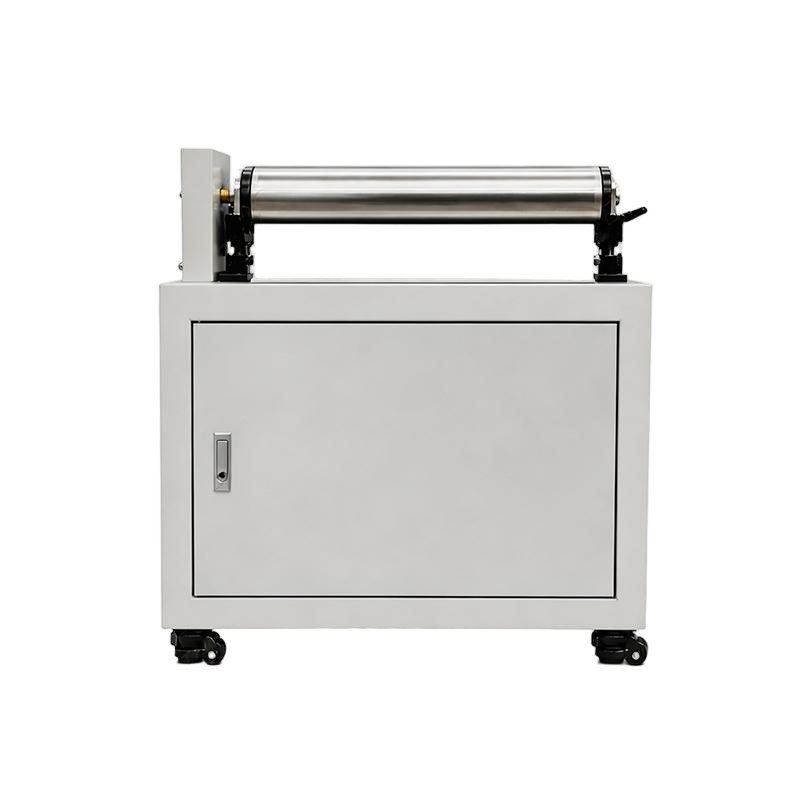
Heat Pipe Multi-station Dry-out Tester: Testing Guide
1. What Is a Heat Pipe Multi-station Dry-out Tester?
A Heat Pipe Multi-station Dry-out Tester is specialized equipment for evaluating heat pipe behavior under increasing heat loads. It typically includes multiple sample fixtures, controlled heating units, temperature sensors, and data acquisition functions.
The system helps engineers observe how a heat pipe responds as heat input increases. They can then identify the operating conditions associated with a significant temperature rise or another defined dry-out indicator.
1.1 Main Functions
Depending on its configuration, a multi-station dry-out tester may provide these functions:
- Apply controlled heat to heat pipe evaporator sections.
- Monitor temperature changes at selected measurement points.
- Record thermal response throughout the test.
- Identify potential dry-out conditions.
- Compare samples under defined test conditions.
- Store test data for engineering analysis and quality control.
The exact functions depend on the equipment design. Therefore, buyers should confirm the available measurement channels and control capabilities before ordering.
1.2 Advantages of Multi-Station Testing
A multi-station tester can evaluate several heat pipes during the same testing period. This approach reduces repeated setup work and supports more efficient product comparisons.
For example, engineers can compare different wick structures, tube dimensions, working-fluid charges, or production batches. They can also investigate how manufacturing changes influence thermal behavior.
However, multiple stations provide meaningful comparisons only when their test conditions remain sufficiently consistent. Heating control, fixture contact, sensor placement, and condenser cooling all influence the results.
2. Understanding Heat Pipe Dry-Out
Heat pipe dry-out occurs when the evaporator cannot maintain sufficient liquid supply under the applied operating conditions. Consequently, the local temperature may increase rapidly.
A conventional heat pipe contains a sealed enclosure, a working fluid, and an internal wick structure. Heat vaporizes the working fluid in the evaporator. The vapor travels toward the condenser and releases heat through condensation. The wick then returns liquid toward the evaporator through capillary action.
When liquid return cannot keep pace with evaporation, the evaporator may become depleted of liquid. This condition can reduce effective heat transfer and create a noticeable temperature increase.
2.1 The Role of the Wick Structure
The wick supports liquid return through capillary pressure. Its pore size, permeability, material, and geometry influence fluid movement.
Different wick structures offer different transport characteristics. For example, sintered powder, mesh, and grooved structures may behave differently under the same heat load.
A dry-out tester helps engineers compare these designs. Nevertheless, they must keep other test conditions consistent to draw reliable conclusions.
2.2 The Influence of Heat Load
As heat input increases, the heat pipe must transport more energy from the evaporator to the condenser. Eventually, the design may reach a transport limit.
The observed dry-out condition depends on several factors. These include heat pipe geometry, wick structure, working-fluid quantity, orientation, and condenser cooling.
Therefore, engineers should report dry-out results alongside the relevant test conditions. A single heat-load value does not describe performance under every operating environment.
2.3 Dry-Out Versus Other Heat Pipe Limits
Dry-out is not the only mechanism that can limit heat transport. Depending on the design, a heat pipe may also encounter capillary, sonic, entrainment, or boiling limits.
Each mechanism has different physical causes. Therefore, engineers should use a defined test method and avoid treating every temperature increase as proof of dry-out.
3. Why Dry-Out Testing Matters
Dry-out testing provides useful information for product development, quality evaluation, and thermal design.
3.1 Evaluate Heat Transport Limits
Engineers need to understand how much heat a heat pipe can transport under specified conditions. Dry-out testing helps identify the operating range where the evaporator can no longer maintain stable thermal behavior.
This information supports product selection and cooling-system design. However, engineers should validate the selected heat pipe in the intended application.
3.2 Compare Different Heat Pipe Designs
A multi-station tester can support comparisons between different heat pipe configurations. Engineers may investigate changes in wick structure, tube dimensions, working-fluid charge, or manufacturing processes.
Consistent test procedures make these comparisons more meaningful. The resulting data can guide design improvements and prototype selection.
3.3 Support Manufacturing Quality Control
Thermal performance may vary between production batches. Potential causes include inconsistent fluid charging, wick defects, contamination, or sealing problems.
A structured testing process helps manufacturers investigate such variations. However, dry-out testing does not replace leak testing, dimensional inspection, or other required quality checks.
3.4 Improve Cooling-System Reliability
Heat pipes often operate within compact electronic cooling assemblies. Engineers must understand their thermal limits before integrating them into a product.
Dry-out data can help establish appropriate operating margins. Designers should also consider ambient conditions, installation orientation, condenser performance, and the thermal resistance of the complete assembly.
4. How the Multi-Station Testing Process Works
The exact procedure depends on the tester and the selected test method. However, a typical process includes sample preparation, fixture installation, sensor placement, controlled heating, temperature monitoring, and data analysis.
4.1 Step 1: Prepare the Samples
First, select representative heat pipes and record their relevant specifications. These may include dimensions, materials, wick structure, and production batch information.
Consistent sample preparation reduces unnecessary variation. Engineers should also confirm that each sample meets the test procedure’s requirements.
4.2 Step 2: Install Heat Pipes in the Fixtures
Mount each sample securely in its assigned station. The fixture should provide repeatable thermal contact without damaging the heat pipe.
Correct positioning matters because poor contact can distort temperature measurements. Engineers should also set the required orientation before testing begins.
4.3 Step 3: Position the Temperature Sensors
Install sensors at the specified measurement points. Depending on the test method, these points may include the evaporator, adiabatic section, and condenser.
Keep sensor locations and attachment methods consistent between samples. In addition, verify sensor calibration and measurement-channel assignments.
4.4 Step 4: Establish Initial Conditions
Allow the system to reach the required initial temperature and cooling conditions. Confirm that the samples and test fixtures follow the specified orientation.
Stable initial conditions improve repeatability. Record relevant environmental and equipment settings when they affect the test.
4.5 Step 5: Apply Controlled Heating
The tester applies heat to the evaporator section. It may increase the heat load in predefined steps or follow a programmed heating profile.
The selected procedure should suit the heat pipe design. Engineers should avoid uncontrolled heating that could damage samples or compromise the validity of the test.
4.6 Step 6: Monitor Thermal Response
The data acquisition system records temperature changes as heat input increases. Engineers review the evaporator temperature, condenser behavior, and temperature differences between measurement points.
A sudden evaporator temperature increase may indicate dry-out. However, engineers should first rule out sensor problems, poor contact, unstable heating, and inadequate cooling.
4.7 Step 7: Determine the Dry-Out Result
The engineer identifies the heat load associated with the defined dry-out criterion. The report should include the relevant temperatures, test conditions, and measurement method.
Because different laboratories may use different criteria, manufacturers should define their acceptance rules before testing.
4.8 Step 8: Analyze and Compare Results
Compare temperature curves and reported heat loads across samples. Investigate significant differences between stations or production batches.
This analysis can reveal design limitations and manufacturing variation. For stronger conclusions, combine dry-out data with other thermal and quality measurements.
5. Main Components of the Tester
A Heat Pipe Multi-station Dry-out Tester combines heating, measurement, control, and sample mounting functions. The actual configuration depends on the application.
5.1 Multi-Station Fixtures
Fixtures hold heat pipes in the correct position during testing. Their design affects contact quality, stability, and repeatability.
Manufacturers should confirm the supported sample dimensions. Interchangeable fixtures may help laboratories test different product families.
5.2 Heating Units
Heating units apply controlled energy to the evaporator. The system should provide suitable control across the intended operating range.
Buyers should verify the available heating range, adjustment method, and control resolution. These details matter more than general descriptions such as high-power heating.
5.3 Cooling System
The condenser must reject heat during the test. Depending on the equipment, the system may use controlled airflow or another suitable cooling arrangement.
Stable cooling helps produce comparable results. Buyers should confirm whether the system controls cooling conditions or requires an external cooling source.
5.4 Temperature Sensors
Sensors monitor the thermal response at selected locations. Suitable sensor types depend on the required temperature range, accuracy, response time, and installation method.
Consistent placement improves comparisons between stations. Calibration and reliable attachment also help reduce measurement uncertainty.
5.5 Data Acquisition and Control System
The control system manages heating sequences and records measurement data. Depending on the configuration, software may display temperature curves, store test records, and export data.
For quality-control applications, sample identification and batch traceability can be valuable. Buyers should confirm the number of channels and reporting functions.
5.6 Safety Protection
Heating and electrical systems require appropriate safety measures. Depending on the design, these may include overtemperature protection, emergency stops, alarms, and electrical interlocks.
Operators should follow the manufacturer’s operating instructions. Buyers should also confirm that the proposed equipment meets applicable workplace requirements.
6. Important Parameters in Dry-Out Testing
Test conditions directly influence the results. Therefore, manufacturers should define and record the relevant parameters.
6.1 Heat Input
Heat input is a central variable in dry-out testing. Engineers increase the load according to the specified test procedure and observe the resulting thermal response.
However, heater electrical power may differ from the heat transferred into the heat pipe. Some energy can escape through fixtures or surrounding surfaces.
The test method should explain how the system measures or estimates the applied heat load.
6.2 Temperature Measurement Points
Sensor placement determines which sections of the heat pipe the test system monitors. Evaporator and condenser measurements are often essential for interpreting thermal behavior.
Consistent sensor locations improve repeatability. Engineers should also consider sensor attachment, calibration, and measurement uncertainty.
6.3 Orientation
Orientation can influence liquid return because gravity may assist or oppose capillary flow. The effect depends on the wick design and product geometry.
Manufacturers should test orientations relevant to the intended application. They should not assume that one test result applies to every installation position.
6.4 Condenser Cooling Conditions
The condenser’s ability to reject heat influences the entire heat pipe. Unstable cooling can distort the observed dry-out condition.
Therefore, the test procedure should define the cooling arrangement. Engineers should also monitor cooling conditions when they materially affect the result.
6.5 Heating Rate and Stabilization Time
A rapid increase in heat load may produce a different response from a gradual increase. Stabilization time also influences temperature measurements.
Manufacturers should define the heating increments and data collection intervals. A consistent method helps separate genuine dry-out behavior from temporary thermal changes.
6.6 Dry-Out Criterion
The test must use a clear criterion to identify dry-out. This may involve a defined temperature rise or another validated indicator.
The selected criterion should match the engineering objective. Reports should include the criterion and test conditions rather than present a heat-load value alone.
7. Industrial Applications
A multi-station dry-out tester supports thermal engineering across several industries.
7.1 Consumer Electronics
Laptops, desktop computers, and gaming devices often use heat pipes for compact heat spreading. Dry-out testing helps engineers evaluate whether a design can handle its intended thermal load.
The results can support wick selection and product optimization. Engineers should still validate the complete cooling assembly under realistic operating conditions.
7.2 CPU and GPU Cooling
Processors generate concentrated heat that requires effective removal. Heat pipes help transfer this energy toward heat sinks or other cooling structures.
Engineers can use a dry-out tester to compare candidate heat pipes. They should also consider mounting pressure, airflow, interface materials, and condenser conditions during system validation.
7.3 Telecommunications Equipment
Telecommunications systems may operate continuously and require dependable thermal management. Heat pipes can help distribute heat within compact equipment.
Dry-out testing provides information about thermal limits and design differences. Consistent testing also helps manufacturers compare production batches.
7.4 Industrial Electronics
Power converters, control equipment, and industrial electronics may use heat pipes to manage heat. Their operating conditions can differ significantly from consumer devices.
Testing should reflect the expected heat load and installation orientation. Engineers should also consider ambient temperature and the complete cooling path.
7.5 Research and Development
Research laboratories can use multi-station equipment to compare working fluids, wick structures, and tube geometries. Testing several samples under controlled conditions can reduce repetitive setup work.
However, engineers should verify station consistency before comparing results. Any differences in heating or cooling may otherwise affect the conclusions.
8. How to Select a Heat Pipe Multi-station Dry-out Tester
The right tester should match the laboratory’s samples, test procedures, and workload.
8.1 Determine the Required Station Count
Estimate how many samples the laboratory needs to test within a given period. Include sample preparation, heating, stabilization, and cooldown time.
More stations may increase throughput. However, the heating and measurement systems must support the required test conditions at every station.
8.2 Confirm Sample Compatibility
Provide product drawings and representative samples to the supplier. Include dimensions, materials, wick structure, and intended operating range.
This information helps determine fixture design and heating requirements. For varied product sizes, ask whether the equipment supports interchangeable fixtures.
8.3 Verify Heating and Measurement Specifications
Confirm the heat input range, control method, temperature range, sensor type, and measurement accuracy. Also review the number of measurement channels.
Request specifications for the actual proposed configuration. Avoid relying on unverified claims that lack measurable acceptance criteria.
8.4 Check Station Control
Ask whether each station has independent heating control or shares selected functions. Independent control may support tests with different heat-load profiles.
Shared control may suit comparative tests with identical conditions. The appropriate design depends on the testing objectives.
8.5 Review Data Recording Functions
The software should capture the parameters required for analysis. Useful functions may include live temperature curves, sample identification, data export, and test report generation.
For manufacturing quality control, traceable records can simplify investigations. Confirm the storage and export options before purchasing.
8.6 Evaluate Calibration and Technical Support
Ask how the supplier verifies temperature measurement and heat input. Confirm available calibration documentation and recommended verification intervals.
Also discuss installation, training, spare parts, and maintenance. These factors influence long-term equipment usability.
8.7 Request a Representative Test
If possible, provide sample heat pipes for a demonstration. Agree on the test method, operating conditions, and report format in advance.
A representative test helps verify fixture compatibility and workflow. It also provides practical evidence for equipment acceptance.
9. Common Testing Problems and Solutions
9.1 Different Results Between Stations
Variation may arise from different fixture contact, sensor placement, heating control, or cooling conditions.
Inspect each station and compare its setup with the approved procedure. Then verify sensors and heating measurements before interpreting sample differences.
9.2 Sudden Temperature Spikes
A sudden temperature rise may indicate dry-out. However, sensor detachment, unstable heating, or poor thermal contact can produce similar symptoms.
Review the complete data record and check the equipment setup. Repeat the test when necessary to distinguish sample behavior from measurement problems.
9.3 Unstable Temperature Readings
Fluctuating readings may result from electrical noise, poor sensor attachment, changing cooling conditions, or unstable heat input.
Inspect the sensors and wiring. Then verify the control system and stabilize the test environment.
9.4 Poor Repeatability
Inconsistent results may reflect different initial conditions, sample orientations, or heating sequences.
Standardize sample preparation, sensor placement, heat increments, and stabilization criteria. Record these parameters for each test.
9.5 Excessively Long Test Cycles
Long test cycles can result from slow stabilization, inefficient sample handling, or unsuitable heating capacity.
Review the complete test sequence to identify the main delay. Any process change should preserve measurement quality and the validity of the dry-out criterion.
10. Maintenance and Process Optimization
Routine maintenance supports reliable measurements and reduces unplanned downtime.
10.1 Check Temperature Sensors
Inspect sensors and attachment methods regularly. Verify their performance according to the laboratory’s quality procedures.
Replace damaged sensors and document calibration activities.
10.2 Inspect Heating Fixtures
Check heating surfaces, clamps, and fixtures for wear. Poor contact can change the heat transferred into the sample.
Maintain consistent mounting procedures and replace worn components when necessary.
10.3 Maintain Cooling Equipment
Inspect cooling components and verify stable operating conditions. Follow the supplier’s maintenance recommendations.
Investigate unexpected cooling changes before adjusting the test criteria.
10.4 Verify Data Acquisition
Check measurement channels, connectors, software settings, and data storage. Confirm that each result corresponds to the correct station and sample.
Periodic verification helps prevent errors in test reports.
10.5 Standardize Test Procedures
Document sample preparation, fixture installation, sensor placement, heating increments, and result interpretation.
Train operators to follow the same sequence. Standardized procedures improve repeatability and make results easier to compare.
11. Frequently Asked Questions
11.1 What Is a Heat Pipe Multi-station Dry-out Tester?
It is a thermal testing system that evaluates heat pipe behavior as heat input increases. Multiple stations allow engineers to test several samples within one setup.
11.2 What Does Dry-Out Mean in a Heat Pipe?
Dry-out occurs when the evaporator cannot receive enough liquid to support the applied heat load. The evaporator temperature may then rise sharply.
11.3 Why Use Multiple Test Stations?
Multiple stations can increase sample throughput and simplify comparisons between heat pipe designs or production batches. Results remain meaningful only when the stations provide sufficiently consistent conditions.
11.4 Which Parameters Should the Tester Measure?
Typical measurements include temperatures at selected heat pipe locations and applied heat input. Depending on the test method, the system may also record time and cooling conditions.
11.5 Can the Tester Measure Thermal Resistance?
Some systems support thermal resistance evaluation when they measure the required temperatures and heat input under defined conditions. Buyers should confirm the available functions and calculation methods.
11.6 Does a Higher Dry-Out Heat Load Always Mean Better Performance?
Not necessarily. The result depends on heat pipe geometry, wick structure, working fluid, orientation, and test conditions. Engineers should compare samples under equivalent conditions.
11.7 Can the Tester Handle Different Heat Pipe Sizes?
Yes, if the fixtures, heating units, and sensors support the required dimensions. Buyers should confirm compatibility and any tooling changes before ordering.
11.8 What Information Should Buyers Provide for a Quotation?
Provide the station count, sample dimensions, test method, heat input range, temperature measurement requirements, cooling conditions, data reporting needs, and expected testing workload.
12. Conclusion
A Heat Pipe Multi-station Dry-out Tester helps engineers evaluate heat pipe thermal limits under controlled heating conditions. Multiple stations can improve testing efficiency and support comparisons across designs and production batches.
Reliable results require suitable fixtures, controlled heat input, accurate temperature measurements, stable cooling, and a clearly defined dry-out criterion. Therefore, buyers should evaluate the complete measurement system rather than focus only on station count.
For manufacturers developing heat pipes or improving thermal quality control, cncooling-thermal offers a starting point for exploring thermal manufacturing equipment. Visit cncooling-thermal.com to review available equipment information and identify relevant testing solutions.