
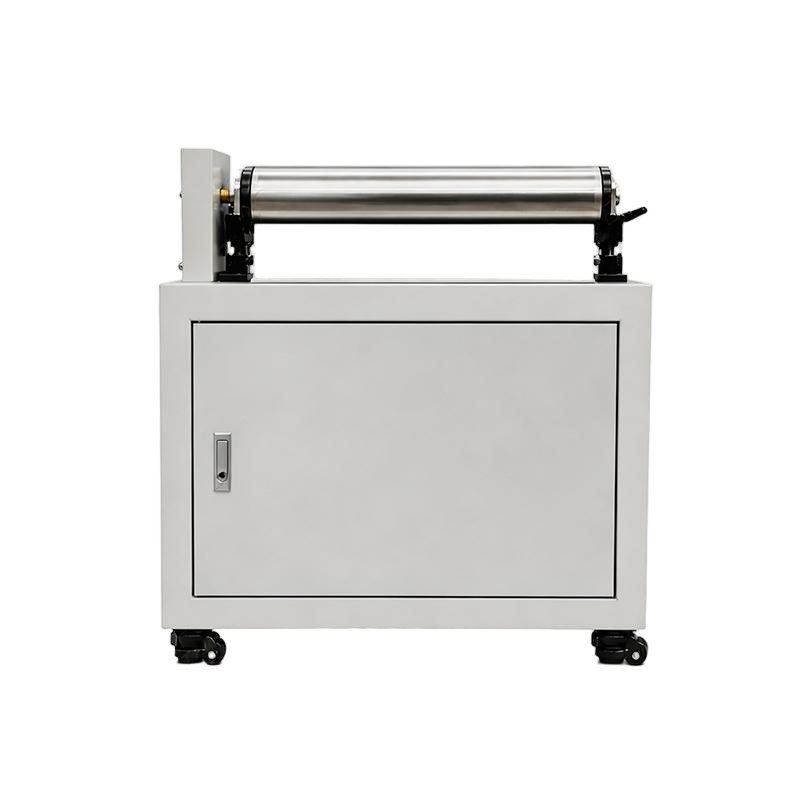
Heat Pipe Equipment Production Line: Complete Guide
1. What Is a Heat Pipe Equipment Production Line?
A Heat Pipe Equipment Production Line combines specialized machines for manufacturing heat pipes. These machines support tube preparation, powder filling, cleaning, evacuation, sealing, and testing.
Heat pipes transfer heat through evaporation and condensation. Their performance depends on internal structures, working fluids, and manufacturing quality.
Manufacturers therefore need equipment that supports each production stage. Individual machines must also work together reliably.
A complete equipment configuration can include:
- Heat pipe tube cutting equipment
- Heat pipe necking machines
- Powder filling machines
- Vacuum sintering furnaces
- Degassing equipment
- Heat pipe filling and welding machines
- Multi-station dry-out testers
- Thermal performance testing equipment
The required configuration depends on product dimensions and wick structures. Working fluids and production targets also influence equipment selection.
For manufacturers, the goal is not simply purchasing individual machines. The goal is creating a coordinated manufacturing system.
2. How Does a Heat Pipe Equipment Production Line Work?
A typical heat pipe manufacturing process includes several connected stages. Each stage requires suitable equipment and process controls.
The exact sequence depends on the heat pipe design. Some manufacturers also use different preparation methods.
2.1 Tube Preparation
Manufacturing starts with metal tubes of specified dimensions. Operators prepare the tubes according to product drawings.
Cutting equipment controls tube length and edge quality. Additional preparation may include deburring and cleaning.
Consistent tube dimensions help reduce problems during later processing.
2.2 Wick Structure Preparation
The wick structure supports liquid return inside a heat pipe. Common structures include sintered powder, grooves, and mesh.
Sintered powder structures require controlled powder preparation and sintering. Grooved structures require suitable tube processing methods.
The wick design determines the required equipment configuration. It also influences thermal performance and manufacturing complexity.
2.3 Powder Filling and Sintering
For sintered heat pipes, manufacturers introduce metal powder into prepared tubes. A powder filling machine helps control material loading.
The tubes then enter a vacuum sintering furnace. Controlled heating forms the porous wick structure.
Sintering parameters depend on powder materials and product design. Manufacturers should establish suitable processes through technical validation.
2.4 Evacuation and Working Fluid Filling
The internal environment affects heat pipe operation. Manufacturers must remove unwanted gases before final sealing.
Degassing equipment supports vacuum treatment. Filling equipment introduces the specified working fluid.
The required vacuum level and fluid quantity depend on product specifications. Process consistency helps reduce variation between units.
2.5 Sealing and Welding
After filling, manufacturers seal the heat pipe. Welding equipment creates a closed structure.
The sealing process must protect the internal environment. Suitable welding parameters also help reduce leakage risks.
2.6 Dry-Out and Performance Testing
Manufacturers may use dry-out equipment to prepare heat pipes. Testing equipment then evaluates product performance.
Inspection methods depend on the product and application. Manufacturers should define acceptance criteria before mass production.
3. Essential Machines in a Heat Pipe Equipment Production Line
Different machines perform specific functions. Their combination determines the production line’s capabilities.
3.1 Heat Pipe Tube Cutting Machine
A tube cutting machine prepares tubes to the required length. Accurate cutting supports consistent downstream processing.
Important selection factors include:
- Compatible tube materials
- Tube diameter range
- Cutting length range
- Cutting accuracy
- Loading and unloading methods
- Production cycle requirements
Manufacturers should confirm these parameters against actual product drawings.
3.2 Heat Pipe Necking Machine
A Heat Pipe Necking Machine reduces the tube diameter at selected positions. This process prepares the tube for later filling and sealing operations.
The machine should match the tube material and dimensions. Manufacturers should also evaluate forming consistency and tooling requirements.
Internal link opportunity: Heat Pipe Necking Machine
3.3 Heat Pipe Powder Filling Machine
A Heat Pipe Powder Filling Machine introduces metal powder into heat pipe tubes. It supports the preparation of sintered wick structures.
Powder distribution affects the resulting wick structure. Manufacturers should evaluate filling accuracy and material compatibility.
Important considerations include:
- Powder material compatibility
- Filling quantity control
- Tube positioning
- Powder feeding stability
- Cleaning and maintenance
- Compatibility with tube dimensions
Internal link opportunity: Heat Pipe Powder Filling Machine
3.4 Vacuum Sintering Furnace
A Vacuum Sintering Furnace supports the formation of porous metal structures. It heats prepared components under controlled conditions.
Vacuum conditions help manage the processing environment. Temperature control supports repeatable sintering results.
Selection should consider furnace capacity and temperature uniformity. Manufacturers should also review vacuum performance and loading methods.
Internal link opportunity: Vacuum Sintering Furnace
3.5 Heat Pipe Degassing Machine
A Heat Pipe Degassing Machine removes unwanted gases from prepared heat pipes. This stage helps establish suitable internal conditions.
Degassing requirements vary with product design. Equipment selection should consider tube dimensions and process capacity.
Manufacturers should also evaluate vacuum system design and process repeatability.
Internal link opportunity: Heat Pipe Degassing Machine
3.6 Heat Pipe Filling and Welding Machine
A Heat Pipe Filling & Welding Machine supports working fluid filling and tube sealing. It combines important operations within the manufacturing process.
The machine configuration depends on product dimensions and filling requirements. Welding methods should match the tube material and joint design.
Key evaluation points include:
- Filling quantity control
- Vacuum system compatibility
- Welding process stability
- Fixture design
- Operator safety
- Production cycle time
Internal link opportunity: Heat Pipe Filling & Welding Machine
3.7 Heat Pipe Multi-Station Dry-Out Tester
A Heat Pipe Multi-Station Dry-Out Tester supports batch processing. Multiple stations can handle several products during the same production period.
This configuration may improve equipment utilization. Actual output depends on station count and process duration.
Manufacturers should confirm the test method and operating conditions. They should also check compatibility with their heat pipe designs.
Internal link opportunity: Heat Pipe Multi-Station Dry-Out Tester
3.8 Thermal Performance Testing Equipment
Thermal performance testing equipment evaluates heat transfer characteristics. It helps manufacturers assess product consistency.
Testing conditions should reflect the intended application. Temperature, orientation, heat input, and cooling conditions can affect results.
A suitable testing system supports process improvement. It also provides useful production quality data.
4. Key Manufacturing Processes and Equipment Coordination
A Heat Pipe Equipment Production Line needs more than individual machines. Equipment coordination determines whether the entire process runs smoothly.
4.1 Match Equipment to the Product Structure
Different heat pipes require different manufacturing methods.
For example, sintered powder heat pipes need powder filling and sintering equipment. Grooved heat pipes may require different internal structure processing.
Manufacturers should define the product structure first. They can then identify the necessary machines.
4.2 Coordinate Processing Parameters
Each machine affects the next manufacturing stage. Inconsistent dimensions can create downstream problems.
Tube cutting affects forming and fixture positioning. Powder filling affects wick preparation and sintering.
Degassing and fluid filling also require process coordination. Welding must protect the prepared internal environment.
4.3 Consider Material Compatibility
Heat pipe tubes may use different metal materials. Equipment and tooling must suit the selected material.
Manufacturers should consider material hardness and forming characteristics. Welding compatibility also requires technical evaluation.
4.4 Plan Material Transfer
Material transfer connects individual machines. Poor handling can interrupt production and increase manual work.
Manufacturers should plan loading and unloading methods. They should also consider work-in-process storage and operator access.
5. How to Configure a Heat Pipe Equipment Production Line
Equipment configuration should begin with production requirements. Purchasing machines before defining these requirements can create unnecessary costs.
5.1 Define Product Specifications
Prepare detailed product information before selecting equipment.
Important information includes:
- Heat pipe length and diameter
- Tube material and wall thickness
- Wick structure type
- Working fluid
- Filling requirements
- Sealing method
- Performance testing requirements
These details help equipment suppliers evaluate machine compatibility.
5.2 Estimate Production Requirements
Production targets influence machine capacity and equipment quantity.
Manufacturers should estimate daily and monthly output. They should also consider operating shifts and planned maintenance.
A machine with a high nominal capacity may not solve every bottleneck. The complete process needs balanced production capacity.
5.3 Select the Required Equipment Combination
Not every manufacturer needs every machine. Equipment selection should follow the actual manufacturing process.
A basic configuration may include tube preparation, filling, sealing, and testing equipment. Sintered wick production requires additional powder processing and sintering equipment.
5.4 Evaluate Future Expansion
Manufacturing requirements may change as product orders grow. A flexible equipment layout can simplify later expansion.
Consider available floor space and utility connections. Also evaluate control systems and equipment interfaces.
5.5 Confirm Technical Compatibility
Before purchasing, manufacturers should review technical specifications. They should also confirm sample processing and acceptance procedures.
Useful documents include machine layouts and process flow diagrams. Equipment lists and utility requirements also support project planning.
6. Automation Options for Heat Pipe Manufacturing Equipment
Automation can reduce repetitive manual operations. It can also support more consistent production procedures.
However, automation should follow process stability. Automating an unstable process may increase troubleshooting complexity.
6.1 Automatic Loading and Unloading
Automatic handling systems move tubes between operations. They can reduce manual handling requirements.
Their design depends on tube dimensions and machine layout. Manufacturers should also consider product protection.
6.2 Automatic Powder Feeding
Automatic powder feeding can support consistent material delivery. The system should suit the powder characteristics and filling process.
Powder handling also requires suitable dust management. Maintenance access should remain convenient.
6.3 Process Data Monitoring
Monitoring systems can record selected operating parameters. These records support process analysis and troubleshooting.
Relevant data may include temperature and vacuum readings. Filling and welding parameters may also require monitoring.
6.4 Integrated Production Control
Centralized control can coordinate connected machines. It may also simplify production status monitoring.
Integration requirements depend on the equipment architecture. Manufacturers should confirm communication interfaces before installation.
7. Quality Control and Production Consistency
Quality control should cover the complete manufacturing process. Final inspection alone cannot prevent every production problem.
7.1 Incoming Material Inspection
Check tube dimensions and material specifications. Inspect powder materials and working fluids according to purchasing requirements.
Consistent incoming materials support stable manufacturing.
7.2 Process Inspection
Inspect critical parameters during production. Relevant checks may include dimensions, powder filling, sintering, vacuum treatment, and welding.
Process records help identify abnormal variation. They also support corrective actions.
7.3 Leakage Inspection
A sealed heat pipe must maintain its internal environment. Manufacturers should select suitable leak inspection methods.
Testing procedures should match product requirements. Acceptance limits must be established before production.
7.4 Thermal Performance Inspection
Thermal testing evaluates heat transfer behavior. It can help identify manufacturing variation.
Manufacturers should standardize test conditions. Consistent fixtures and measurement procedures improve comparison between samples.
7.5 Traceability
Production records help connect products with process information. Traceability can support quality investigations and customer requirements.
Manufacturers may record batch numbers and inspection results. Equipment parameters can also become part of production records.
8. How to Choose the Right Heat Pipe Production Equipment
Selecting suitable equipment requires technical and commercial evaluation. Price should not become the only decision factor.
8.1 Evaluate Product Compatibility
Confirm that each machine supports the intended product range. Pay particular attention to tube dimensions and wick structures.
Ask suppliers to review actual product drawings. Sample processing can help verify technical feasibility.
8.2 Review Machine Specifications
Compare working ranges and operating requirements. Check capacity using realistic process conditions.
Also review electrical and utility requirements. These details affect installation and operating costs.
8.3 Assess Equipment Integration
Machines should support the planned manufacturing sequence. Their interfaces and material transfer methods require careful review.
A complete equipment proposal should explain process connections. It should also identify operator responsibilities.
8.4 Consider Maintenance and Technical Support
Equipment maintenance affects long-term production stability. Manufacturers should understand spare parts and maintenance procedures.
Ask about installation and commissioning support. Training and technical documentation also matter.
8.5 Compare Total Ownership Costs
The purchase price represents only part of equipment investment. Operating expenses also affect long-term costs.
Consider energy consumption and consumables. Include maintenance, labor, and replacement parts in the evaluation.
9. Common Challenges in Equipment Integration
Manufacturers may face several challenges when connecting machines.
9.1 Inconsistent Tube Dimensions
Dimensional variation can affect machine positioning. It may also influence forming and sealing quality.
The solution starts with suitable tube preparation. Manufacturers should establish dimensional inspection procedures.
9.2 Unstable Powder Filling
Powder characteristics and feeding conditions can affect filling consistency. Equipment settings should match the selected material.
Manufacturers should validate the filling process. Regular inspection can help identify changes.
9.3 Incomplete Process Coordination
Machines may have different cycle times. This can create waiting periods and production bottlenecks.
A process capacity analysis helps identify these problems. Manufacturers can then adjust equipment quantities or workflow.
9.4 Insufficient Testing Procedures
Limited inspection may allow defects to continue downstream. This increases rework and quality risks.
Define inspection points before production begins. Match each method with the relevant product requirements.
9.5 Poor Equipment Layout
An unsuitable layout can increase material handling. It may also complicate maintenance and operator movement.
Plan the layout around process flow. Include access for loading, unloading, and servicing.
10. Why Equipment Integration Matters
A coordinated Heat Pipe Equipment Production Line supports more organized manufacturing.
Its value comes from the relationship between machines. Each machine must perform its task within the wider process.
For manufacturers, integration can provide several benefits:
- More consistent process coordination
- Reduced unnecessary material handling
- Better production planning
- Clearer quality inspection points
- Improved equipment utilization
- Easier production expansion
- More structured manufacturing data
These benefits depend on correct equipment selection. They also require suitable process validation and production management.
cncooling-thermal focuses on heat pipe and vapor chamber manufacturing equipment. Its equipment solutions can support different manufacturing stages.
Manufacturers can explore the available equipment categories at cncooling-thermal.com. The appropriate configuration should follow product specifications and production requirements.
11. Frequently Asked Questions
Q1. What machines are needed for a heat pipe equipment production line?
The required machines depend on the heat pipe design. Common equipment includes tube preparation, powder filling, sintering, degassing, filling, welding, and testing machines.
Sintered wick structures require additional powder processing equipment. Other wick designs may need different preparation methods.
Q2. What is the function of a heat pipe powder filling machine?
A powder filling machine introduces metal powder into prepared heat pipe tubes. The powder later forms a porous wick structure through sintering.
Filling consistency influences the resulting internal structure. The machine should match the tube and powder specifications.
Q3. Why does heat pipe manufacturing require a vacuum sintering furnace?
A vacuum sintering furnace supports the formation of sintered wick structures. Controlled heating helps bond metal powder particles.
The required process depends on powder materials and product design. Manufacturers should validate suitable sintering parameters.
Q4. What does a heat pipe degassing machine do?
A degassing machine removes unwanted gases from heat pipes. This helps prepare the internal environment before final filling and sealing.
The process requirements depend on product specifications. Suitable vacuum equipment supports repeatable processing.
Q5. Can one production line manufacture different heat pipe sizes?
Some equipment can support multiple product dimensions. However, the available range depends on machine design and tooling.
Manufacturers should confirm the supported size range before purchasing. Changeover time also deserves attention.
Q6. Is a fully automatic heat pipe equipment production line necessary?
Not every manufacturer needs full automation. Production volume, labor costs, and product variety influence this decision.
Semi-automatic equipment may suit flexible production. Larger operations may benefit from additional automated handling.
Q7. How can manufacturers improve heat pipe production consistency?
Start with stable incoming materials and controlled processing. Standardize filling, sintering, degassing, welding, and inspection procedures.
Equipment maintenance also supports consistent operation. Production records help identify process variation.
Q8. How should manufacturers select a heat pipe equipment supplier?
Review technical experience and equipment compatibility. Ask for machine specifications and sample processing support.
Also evaluate installation, commissioning, training, and maintenance services. A clear equipment proposal helps reduce project risks.
Q9. What information should buyers provide before requesting a quotation?
Buyers should provide product drawings and material information. Include tube dimensions, wick structure, working fluid, and production targets.
Testing requirements and automation preferences are also useful. These details help suppliers recommend suitable equipment.
Q10. What is the difference between a heat pipe production line and heat pipe production equipment?
A heat pipe production line describes the complete manufacturing arrangement. Heat pipe production equipment refers to the individual machines within that arrangement.
The two concepts are closely related. However, they address different equipment planning and purchasing requirements.
12. Conclusion
A Heat Pipe Equipment Production Line combines specialized machines for different manufacturing stages. Each machine supports a specific process requirement.
Successful equipment selection starts with product specifications. Manufacturers should then evaluate machine compatibility, capacity, automation, and testing requirements.
A coordinated equipment configuration can support stable manufacturing. It can also improve production planning and quality management.
For manufacturers planning new facilities or equipment upgrades, process analysis should come first. A well-matched equipment system provides a stronger foundation for long-term production.